

In recent years, the way customers interact with businesses has changed dramatically. Consumers expect services that are fast, self-directed, and frictionless. This is where kiosk technology plays a crucial role.
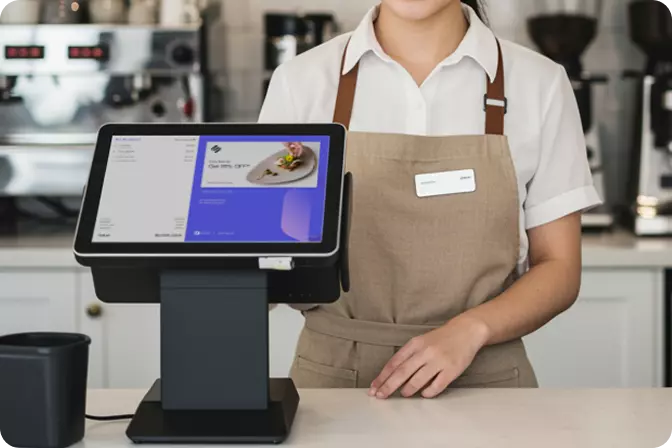
A kiosk is a touchscreen-based self-service system that allows customers to complete transactions, place orders, register, and make payments without staff assistance. This technology is not merely about automation, but about creating a more efficient and controlled customer experience.
Businesses that adopt kiosk solutions do more than reduce queues; they transform operational workflows into systems that are more structured and scalable.
Many business owners still view kiosk systems as supplementary tools. In reality, when designed and implemented properly, a kiosk becomes a strategic asset that directly impacts profitability.
First, kiosks help optimize human resources. Staff can be reassigned to higher-value activities such as customer service and active upselling.
Second, the system improves transaction accuracy. Customers input their own information, reducing the likelihood of recording errors.
Third, kiosks create opportunities to increase average order value. Through visual displays and automated recommendations, customers are more likely to add additional items before checkout.
Fourth, the transaction data collected provides valuable insights into customer behavior.
In other words, kiosk technology is not just about speed—it is about control and data.
Kiosk adoption is evident across various industries that require fast service and handle high transaction volumes.
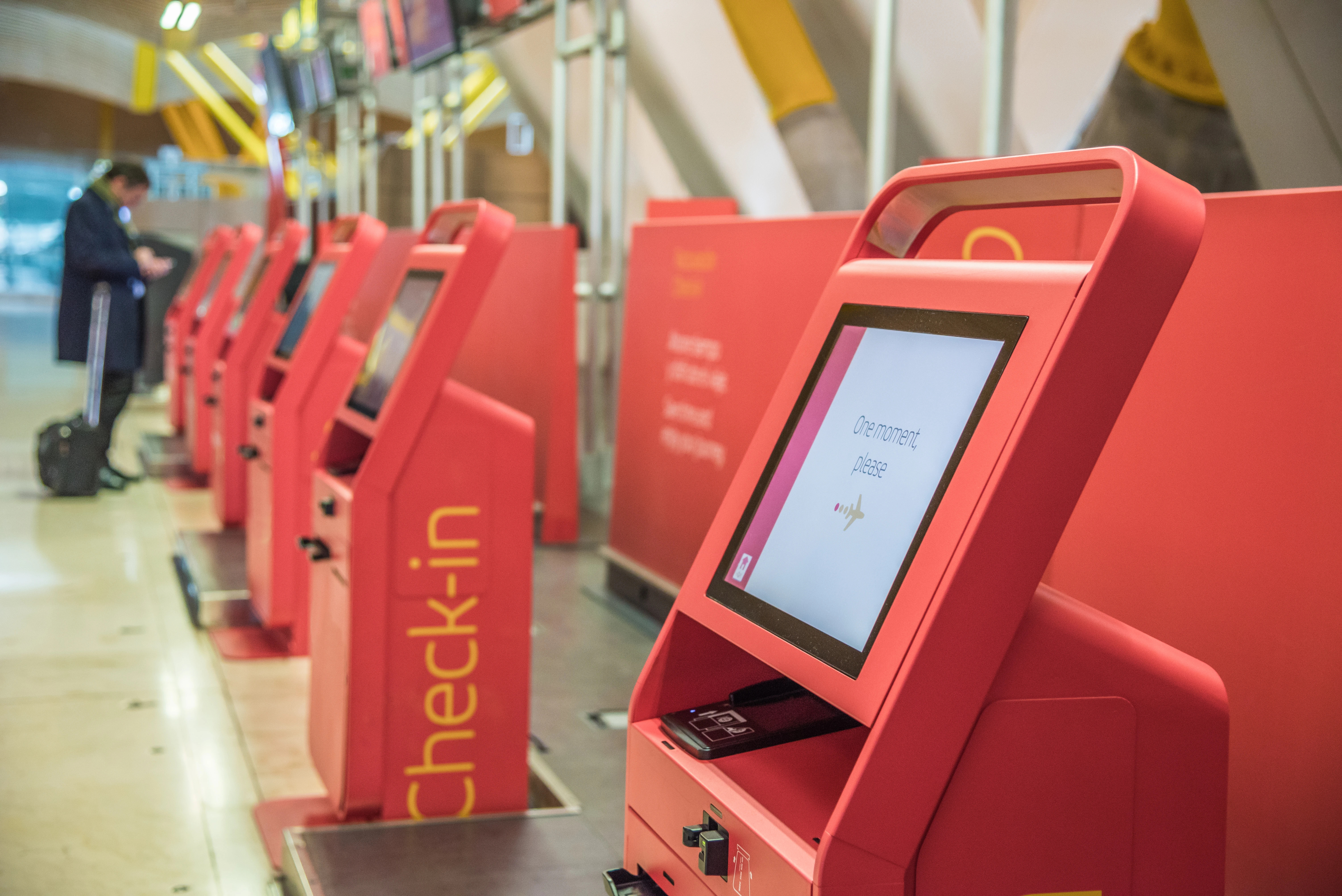
Quick-service restaurants use self-order kiosks to reduce congestion at cashier counters. Hospitals utilize kiosks for patient registration and queue number printing. Shopping malls implement information kiosks to assist visitors with navigation. Airports and train stations rely on kiosks for self-service check-in and ticketing.
Each sector has different operational needs, but the primary objective remains the same: improving efficiency without compromising service quality.
One of the greatest strengths of kiosk systems lies in their ability to consistently enhance customer experience.
Interactive screens enable visually appealing product displays. The ordering process feels more personal because customers have full control over their choices. Additionally, digital payment integration makes transactions faster and more convenient.
For generations accustomed to touchscreen technology, using a kiosk feels natural and intuitive.
When the experience becomes easier and quicker, customer satisfaction naturally increases.
To ensure successful kiosk implementation, businesses must pay attention to several critical aspects.
Hardware should be designed for intensive daily use, especially in high-traffic locations. A responsive touchscreen, integrated payment system, and stable connectivity form the core foundation.
On the software side, the kiosk system should connect directly with POS platforms, inventory management systems, and analytics dashboards. This integration ensures that all transactions are recorded in real time and can be analyzed easily.
Without strong integration, a kiosk becomes merely a standalone device that fails to deliver maximum value.
Despite offering numerous advantages, kiosk implementation requires careful planning.
The initial investment may appear substantial, particularly for small to medium-sized businesses. Additionally, not all customers immediately feel comfortable using self-service systems.
The solution lies in simple user education during the early stages and user-friendly interface design. Responsive technical support is also essential to ensure operations continue running smoothly.
With the right strategy, these challenges can turn into long-term efficiency opportunities.
Implementing kiosk technology is not just about following digital trends; it is a strategic move to enhance efficiency and customer experience sustainably. When kiosks are integrated with POS systems and digital payment solutions, businesses can create modern, fast, and data-driven service flows.
One solution designed to address these needs is OMNI Kiosk, a self-ordering kiosk system that helps accelerate service, streamline operations, and improve customer satisfaction. This product is built to turn queues into revenue opportunities while delivering an intuitive self-service experience for your customers.
OMNI Kiosk integrates seamlessly with POS systems, mobile applications, and CRM platforms, allowing you to manage orders, reports, and customer data in real time. Features such as automated upselling recommendations, on-screen promotional campaigns, and loyalty integration make customer interactions more personalized and profitable.
Beyond that, its transaction security meets global standards, supported by analytics capabilities that help you understand customer preferences and purchasing behavior. Responsive after-sales support ensures your kiosk operations remain optimal every day.
With a stable, flexible system that connects easily to your digital ecosystem, OMNI Kiosk is the ideal choice for businesses looking to expand service capacity without increasing on-site staffing.
Start transforming your business service operations with OMNI Kiosk today, boost efficiency, accelerate transactions, and create unforgettable customer experiences!