What Is POS Software and Why Does It Matter?
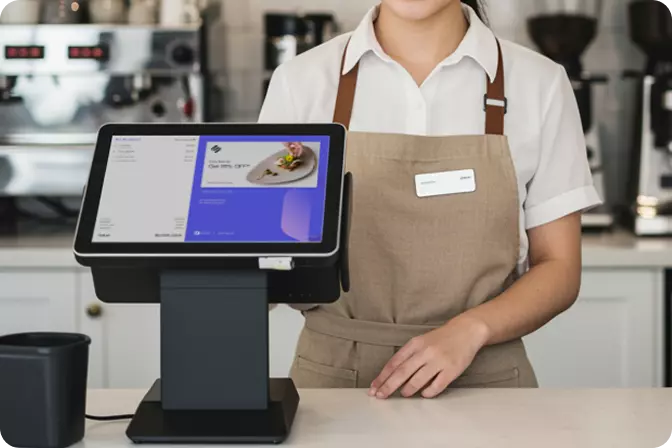
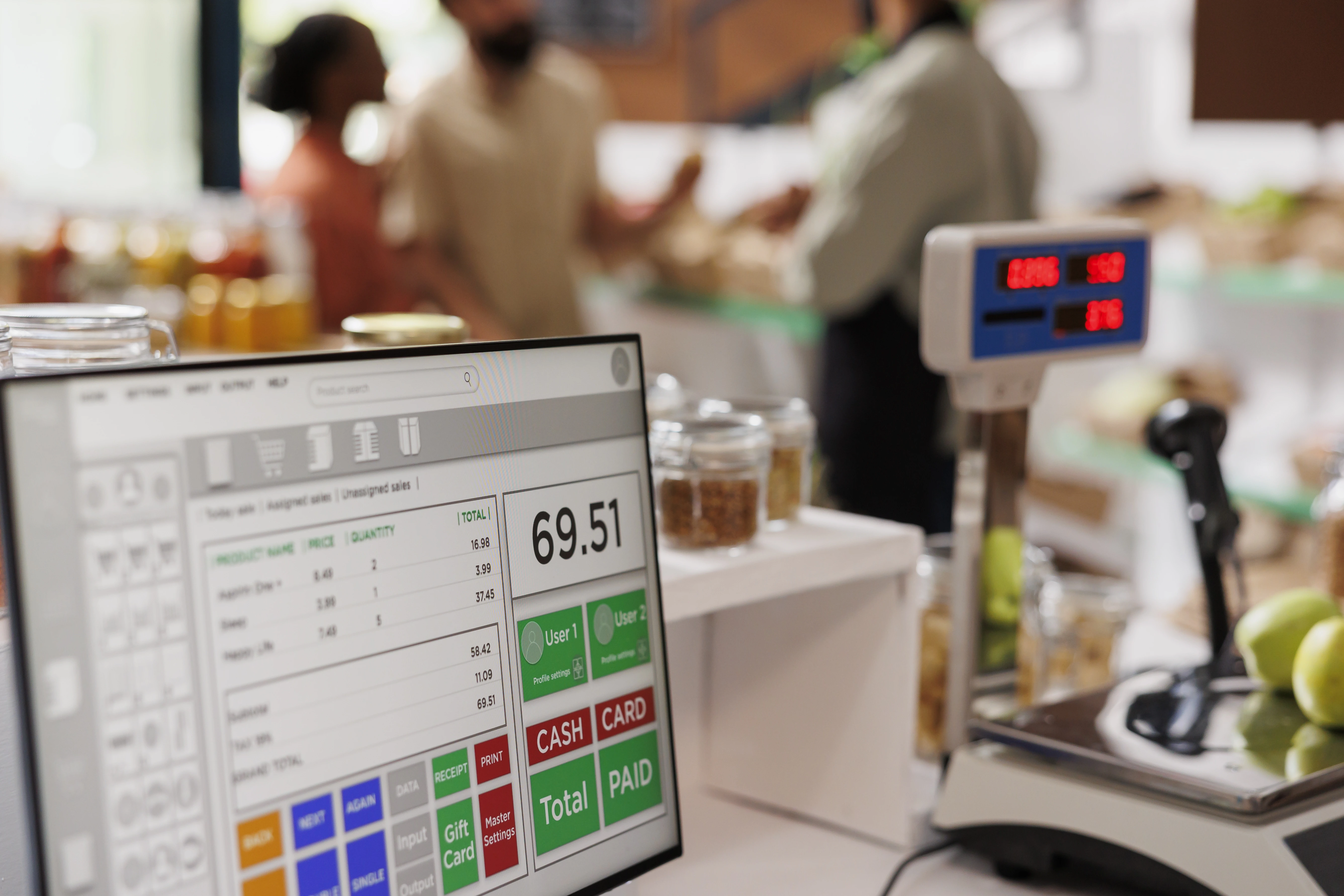
POS (Point of Sale) software is a digital system used to process transactions while managing various aspects of business operations.
Unlike traditional cash registers, POS software enables businesses to:
- Manage inventory
- Track sales in real time
- Store customer data
- Integrate multiple payment methods
In today’s digital economy, POS software has become a core operational tool for retail, F&B, and SMEs.
Growth of POS Software in Indonesia
Indonesia’s digital transformation has accelerated POS adoption significantly.
- Digital payment transactions reached Rp 2,000 trillion in 2022
- QRIS processed Rp 579 trillion in 6 months (2025)
- Over 60% of POS demand comes from SMEs
The POS market is also growing at approximately 15% CAGR, reflecting strong demand for integrated business solutions.
Core Functions of POS Software
- Transaction Management. Automatically records and processes sales.
- Inventory Management. Tracks stock levels in real time.
- Reporting & Analytics. Provides insights into sales performance.
- Payment Integration. Supports QR codes, e-wallets, and cards.
- Customer Management (CRM). Stores and analyzes customer data.
Essential Features of Modern POS Software
Basic Features
- Transaction recording
- Product management
- Receipt generation
- Reporting dashboard
Advanced Features
- Digital payment integration
- Multi-outlet management
- Sales analytics
- CRM integration
- Cloud-based access
POS Software vs Traditional Cash Register
|
Aspect
|
POS Software
|
Traditional Register
|
|
Recording
|
Automated
|
Manual
|
|
Reporting
|
Advanced analytics
|
Limited
|
|
Inventory
|
Integrated
|
Not available
|
|
Payments
|
Multi-channel
|
Cash only
|
|
Scalability
|
High
|
Low
|
Benefits of Using POS Software
- Operational Efficiency. Faster transactions with fewer errors.
- Data-Driven Decisions. Insights help improve strategy.
- Better Customer Experience. Faster checkout and flexible payments.
- Business Scalability. Supports multi-location growth.
Challenges in POS Implementation
- Staff adaptation
- Initial setup costs
- Internet dependency
- System integration
How to Choose the Right POS Software
- Match your business type
- Ensure ease of use
- Support digital payments
- Consider scalability
- Check support quality
POS Software and Customer Relationship Management
Modern POS systems also support CRM capabilities.
Businesses can:
- Store customer data
- Track purchase history
- Create loyalty programs
- Deliver personalized promotions
This helps improve customer retention and lifetime value.
Future of POS Software
Future trends include:
- AI-powered analytics
- Omnichannel integration
- Automation
- E-commerce connectivity
POS software will continue to evolve as a central business system.
Improve Your Business Operations with the Right POS Software
Choosing the right POS software can significantly impact business performance.
One solution designed to support modern businesses is OMNI POS, which integrates sales, inventory, and reporting into a single platform.
- With features such as:
- Real-time reporting
- Digital payment integration
- Multi-outlet management
- Customer data tracking
OMNI POS helps businesses operate more efficiently and make better decisions.
Start optimizing your business operations today with a smarter and more integrated POS system!