

Editor: Sebi Audy – Creative Writer at Omni

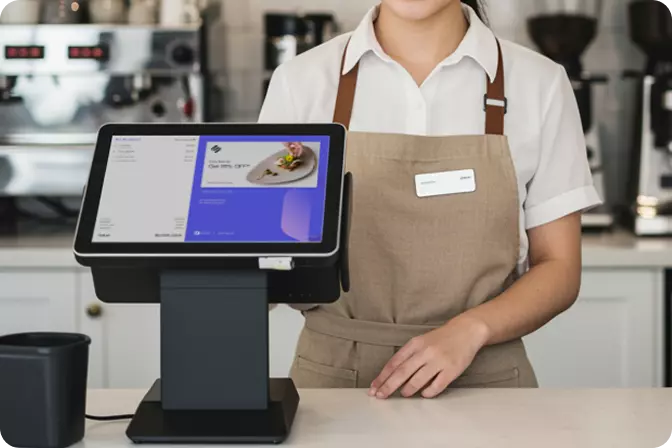
A Point of Sales (POS) system refers to the location and technology where a customer completes a transaction. Traditionally, it was simply a cash register. However, modern POS systems have evolved into comprehensive business management platforms that handle sales processing, inventory tracking, customer data, reporting, and multi-channel integration.
In practical terms, every time a customer pays for a product or service—whether in-store, online, or via mobile—the transaction occurs at a point of sale.
Today’s POS systems are no longer limited to processing payments. They serve as the digital backbone of retail stores, restaurants, hospitality businesses, healthcare providers, and service-based enterprises.
A modern point of sale system typically consists of:
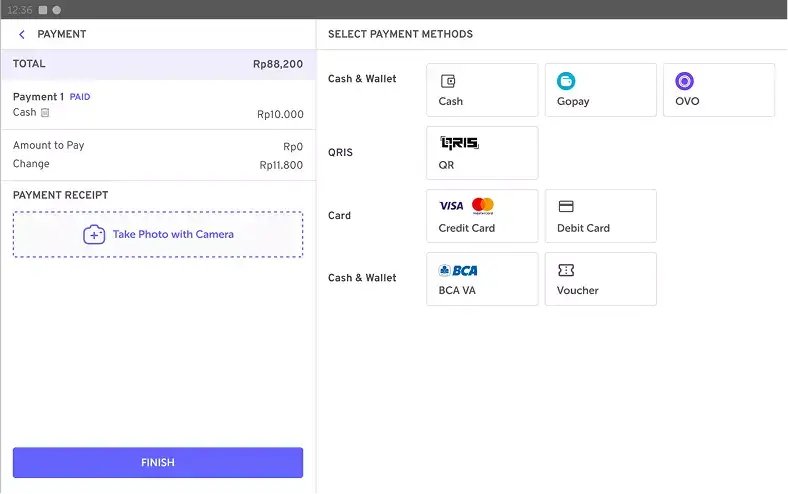
Here is a simplified transaction flow:
In cloud-based POS systems, all data is synchronized across devices and locations instantly.
Basic calculation and cash storage.
Introduced digital transaction logging.
Enabled remote access, real-time analytics, and multi-location management.
Modern POS systems integrate with:
The POS system is now a central operational ecosystem rather than a transactional device.
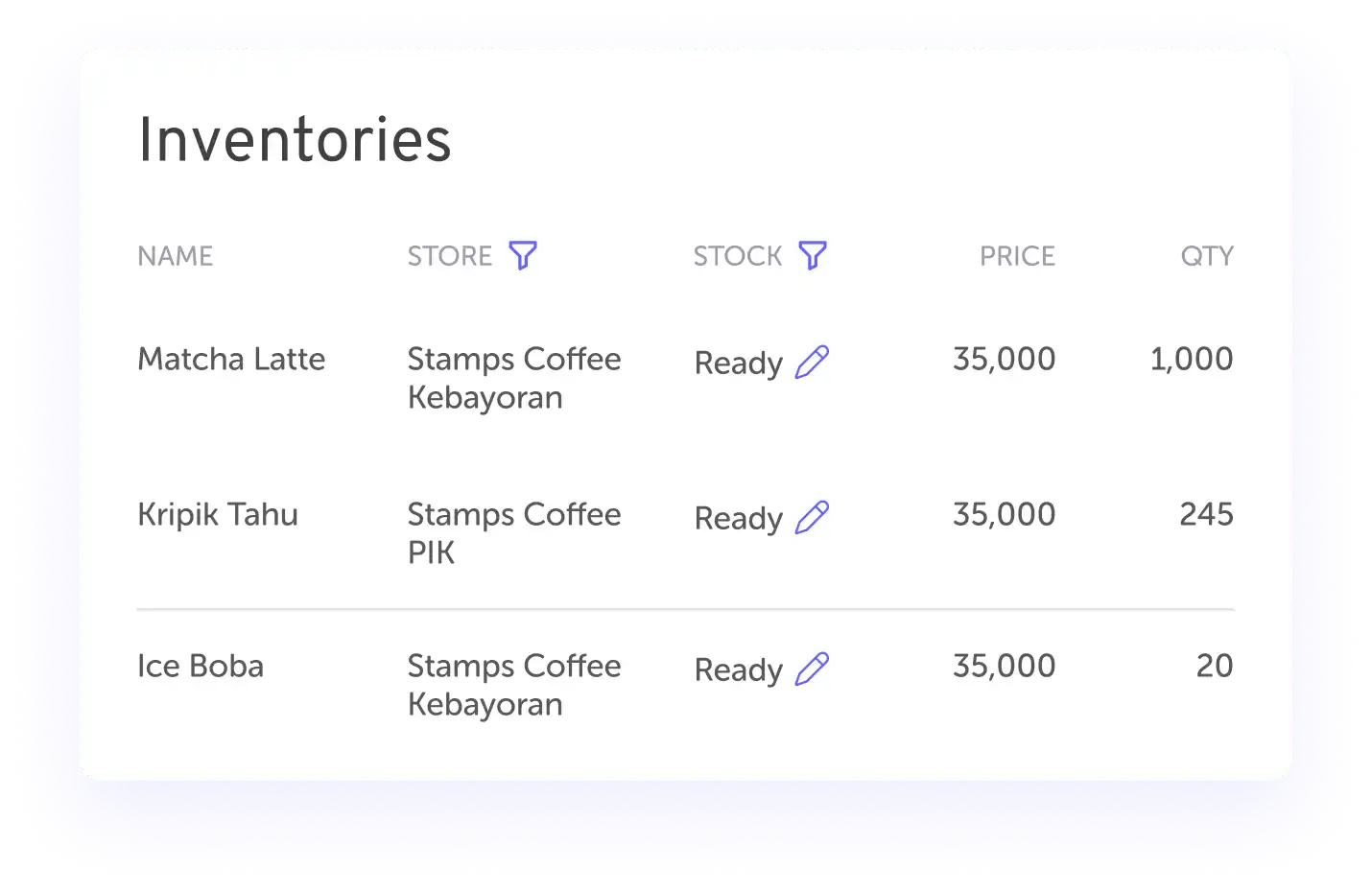
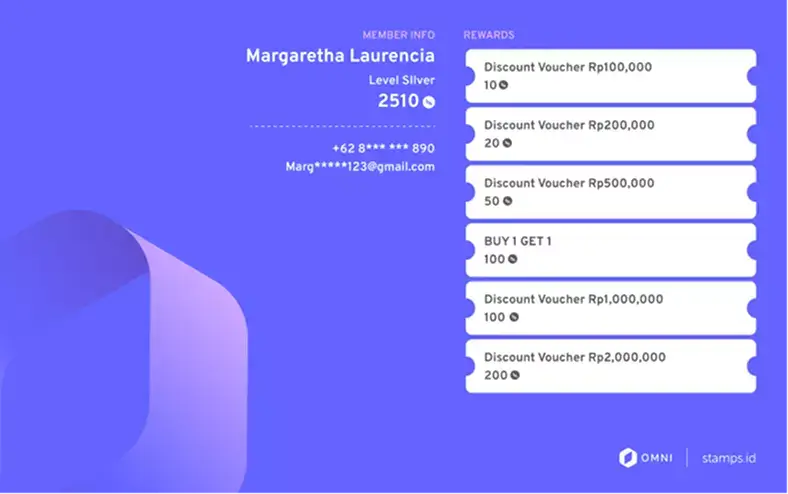
To compete in today’s market, businesses require more than payment processing. The best POS systems include:
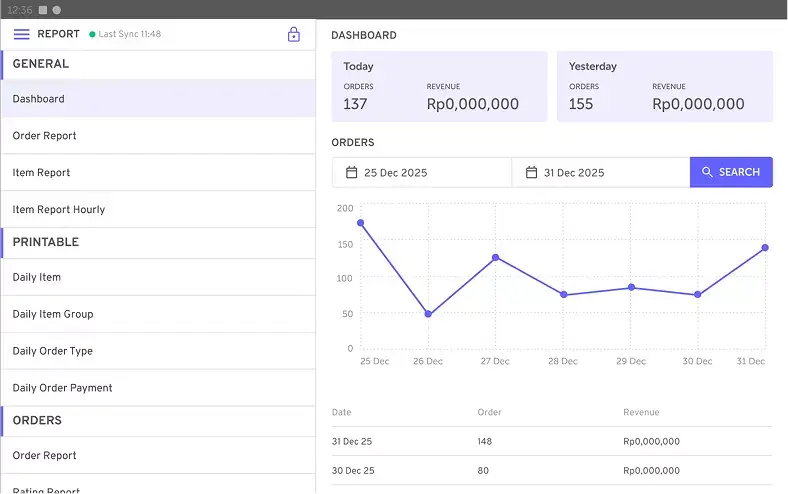
Best for: Legacy retail environments.
Best for: Modern retail, restaurants, growing businesses.
Best for: Scaling businesses and enterprises.
Automates manual processes, reducing time and errors.
Minimizes calculation mistakes and pricing errors.
Business owners can monitor performance instantly.
Sales analytics inform marketing strategies and inventory planning.
Cloud systems allow seamless expansion to multiple locations.
Faster checkout and personalized loyalty rewards improve retention.
|
Feature |
Traditional POS |
Cloud POS |
|
Data Storage |
Local server |
Cloud-based |
|
Remote Access |
Limited |
Full access anywhere |
|
Updates |
Manual |
Automatic |
|
Scalability |
Limited |
Highly scalable |
|
Cost Model |
High upfront |
Subscription-based |
In Indonesia, the adoption of cloud-based POS systems has accelerated significantly in recent years. This growth is primarily supported by the widespread implementation of QRIS, the surge of marketplace-driven commerce, and the growing demand for centralized multi-branch management and real-time business analytics.
To remain competitive globally, businesses need POS systems that integrate with:
An integrated POS ecosystem eliminates data silos and ensures operational transparency.
Basic Plan
Rp200.000–Rp500.000 per month
Suitable for small businesses and UMKM with essential transaction and reporting features.
Professional Plan
Rp500.000–Rp1.500.000 per month
Ideal for growing businesses requiring inventory management, CRM integration, and multi-device access.
Enterprise / Multi-Branch
Starting from Rp2.000.000 per month (custom pricing)
Designed for medium to large-scale businesses with multiple outlets, advanced reporting, and full system integrations.
Hardware investment typically ranges from:
Rp3.000.000–Rp15.000.000
Depending on configuration, including:
Some providers also offer hardware bundling packages or rental schemes to reduce upfront costs.
Most modern POS providers in Indonesia implement a Software-as-a-Service (SaaS) subscription model, meaning businesses pay monthly or annually. This model generally includes:
This approach reduces large upfront investment and allows businesses to scale flexibly as they grow.
When selecting a POS system, consider:
Retail and restaurant POS needs differ significantly.
Can the system grow with your business?
User-friendly interfaces reduce training time.
Does it integrate with your accounting and marketing tools?
PCI-DSS compliance is essential for card transactions.
Consider:
A POS system is only as powerful as the strategy behind it.
In today’s competitive global market, a Point of Sales system is no longer a luxury—it is a necessity. Businesses in the US and UK are increasingly adopting cloud-based, integrated POS solutions to streamline operations, enhance customer experiences, and scale efficiently.
A modern POS system does far more than process payments. It provides strategic insights, operational transparency, and the technological foundation required for sustainable growth.
Whether you operate a single retail store, a restaurant chain, or a growing enterprise, choosing the right POS system can significantly impact profitability and long-term competitiveness.