
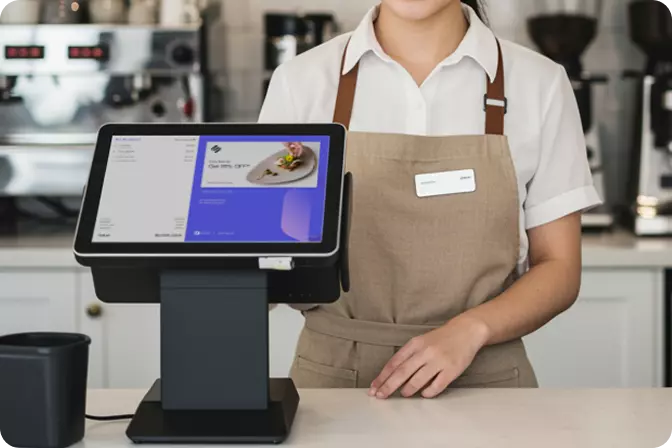

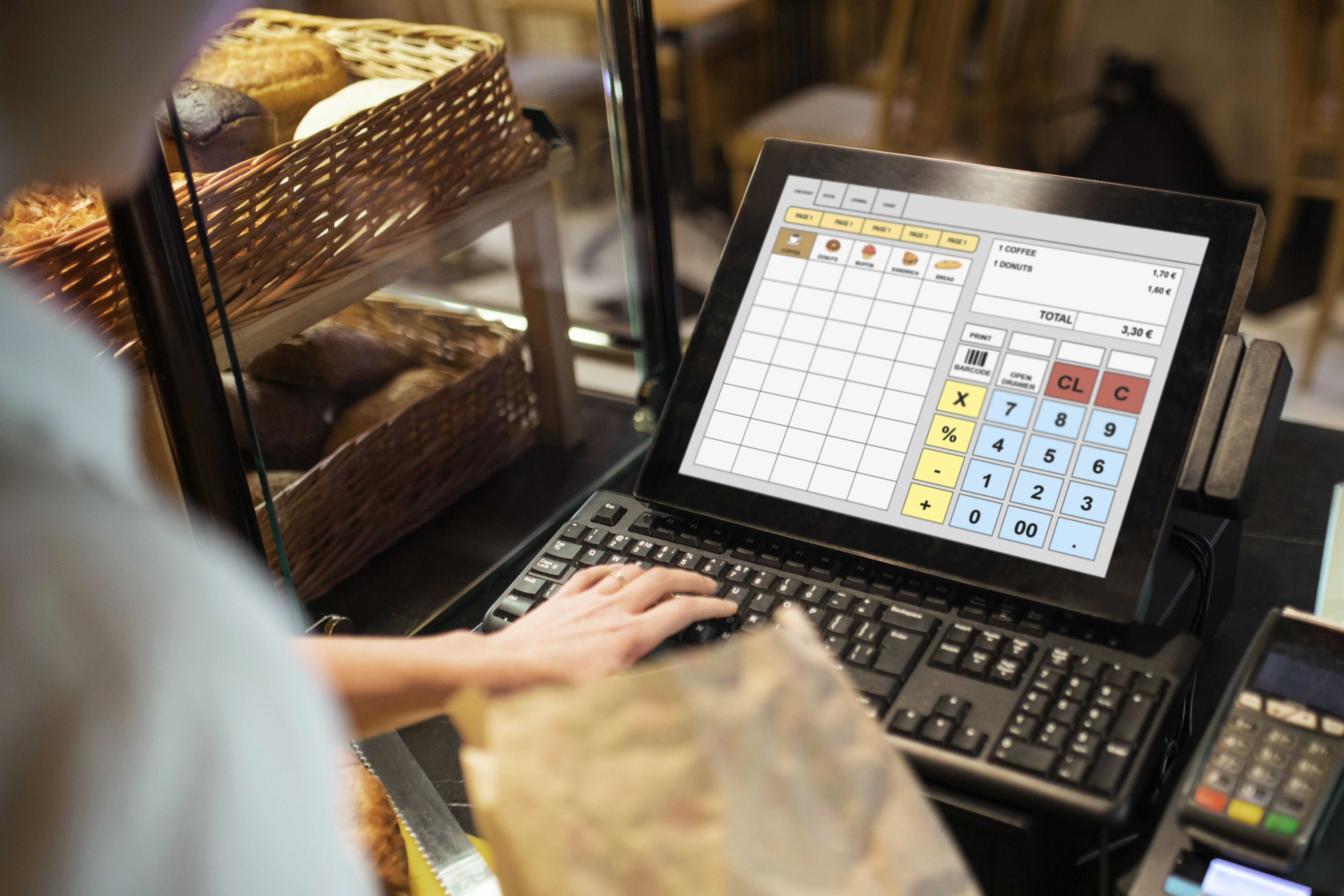
A point of sales application (POS) is a software system that automates sales transactions in stores, restaurants, MSMEs, and other retail platforms. Modern POS solutions combine cashier functions, inventory management, sales reporting, and digital payment integration within a single platform.
In simple terms, a point of sales application replaces manual record-keeping processes that are prone to human error while accelerating customer service through digital technology.
Implementing a point of sales application provides various strategic benefits for entrepreneurs, particularly MSMEs and retail businesses, including:
Studies indicate that many MSMEs in Indonesia still rely on manual paper-based bookkeeping, which is vulnerable to errors and data loss. Digital transformation through a point of sales application can significantly improve profitability and operational control.
The global point of sales application market continues to demonstrate significant growth. In 2023, the global POS software market was valued at more than USD 10 billion and is projected to grow steadily through 2030. This expansion is driven by increasing cloud adoption, digital payment integration, and demand for data-driven business analytics.
Notably, cloud-based POS systems now account for more than half of the global market share. This shift reflects how businesses prioritize flexibility, multi-branch synchronization, and real-time access to operational data.
In Indonesia, the growth potential of point of sales applications remains substantial. With approximately 66 million MSMEs nationwide, POS software penetration is still relatively low compared to the total number of businesses. This indicates significant room for expansion.
Industry projections also suggest that Indonesia’s retail POS market could more than double within the next decade, fueled by MSME digitalization, increasing non-cash transactions, and strong governmental support for digital transformation initiatives.
A point of sales application is available in several forms to accommodate different business needs.
When selecting a point of sales application, ensure that it includes the following features:
These capabilities enhance operational efficiency while providing analytical insights that support strategic decision-making.
Today, a wide range of point of sales applications are used by businesses across Indonesia. Each solution has different strengths, depending on the type of business and operational needs.
Some traditional POS systems offer basic functions such as transaction recording, product management, and sales reporting. These systems are suitable for small enterprises just starting with digital transformation. However, their basic feature set often does not support more advanced operations or multi-outlet businesses.
There are also POS applications that excel in digital payment integration, such as QRIS, debit/credit cards, and e-wallets. These solutions help business owners speed up checkout processes and provide flexibility for customers. However, not all of these platforms offer strong inventory management or advanced features like CRM and customer loyalty programs.
Some POS solutions are positioned as enterprise systems for larger retail operations or multi-branch businesses. They provide robust stock management across outlets, multi-location reporting, and advanced analytics. Despite their power, these platforms often require higher technical expertise and higher subscription costs, making them less suitable for MSMEs seeking easy and quick implementation.
In this context, OMNI POS stands out as a solution that combines flexibility, scalability, and ease of use.
Unlike basic POS systems that simply record transactions, OMNI POS serves as an operational control center. The system includes:
The strength of OMNI POS lies in its ability to support businesses that are scaling rapidly without having to deal with fragmented systems. This solution is suitable both for MSMEs beginning their digital journey and mid-sized enterprises seeking a comprehensive but user-friendly platform.
Choosing a point of sales application should never be rushed. The system will become the daily operational foundation of your business, meaning the right decision will directly influence long-term efficiency and growth.
The first consideration should be alignment between features and your business scale. A single-outlet MSME has different needs compared to a multi-branch retail chain. Ensure that the selected POS application can accommodate current operational requirements while remaining flexible enough to support future expansion.
Next, evaluate reporting and analytics capabilities. A strong point of sales application should not merely record transactions but also present data in an easily understandable format. Daily sales summaries, best-selling products, employee performance metrics, and transaction time trends are essential for strategic planning.
Digital payment integration is another critical factor, especially in Indonesia where QRIS and digital wallet usage continues to grow rapidly. A POS system that supports multiple payment methods enhances customer convenience and speeds up transaction processes.
Customer support from the software provider is equally important. Fast response times, onboarding assistance, and clear documentation can simplify implementation and reduce technical obstacles.
Finally, pricing transparency must be carefully reviewed. Understand subscription structures, additional feature costs, and potential implementation fees. A comprehensive understanding of total costs prevents unexpected financial burdens later.
By evaluating these factors thoroughly, business owners can select a point of sales application that genuinely supports sustainable operational and growth strategies.
Not all businesses transition easily to digital POS systems. Common challenges include:
However, with the right vendor selection and proper internal training, these risks can be managed effectively.
In today’s increasingly dynamic business environment, selecting a point of sales application is no longer merely a technical decision but a long-term strategic move. The right POS system becomes the operational backbone while serving as a centralized data hub for performance analysis.
Digitizing transaction processes allows businesses to operate more efficiently, reduce errors, and deliver better customer experiences. Nevertheless, these benefits can only be realized when the system is stable, secure, and adaptable to evolving business demands.
One solution designed to address these needs is OMNI POS. This platform provides a comprehensive point of sales application that extends beyond transaction recording to include operational integration and holistic customer data management.
OMNI POS supports fast and accurate transaction processing while maintaining operational continuity even during internet disruptions. This stability is particularly crucial for retail and F&B businesses with high transaction volumes and demanding peak hours.
In addition, integration with CRM systems and loyalty programs enables businesses to build long-term customer relationships. Collected data becomes actionable insights, allowing targeted promotions based on actual purchasing behavior.
With real-time reporting capabilities, business owners can monitor sales performance, product trends, and team productivity more accurately. Data security is also prioritized, ensuring business growth without concerns over information breaches.
Ultimately, the success of implementing a point of sales application depends on how effectively the system supports long-term growth.
It is time to elevate your business operations with OMNI POS and establish a modern, efficient sales foundation built for sustainable expansion!