

Author: Sebi Audy – Creative Writer at Omni
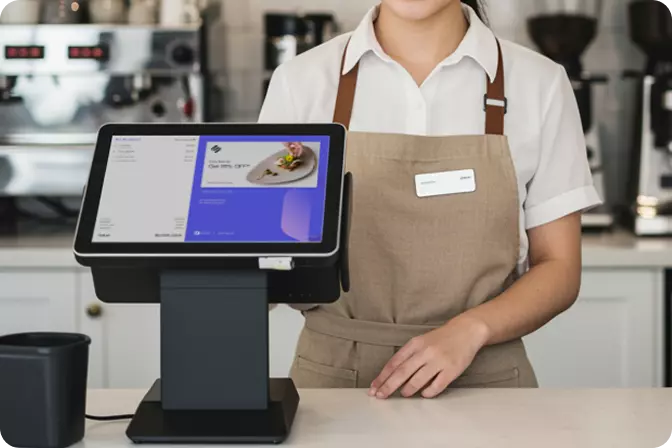
Using a café POS (Point of Sale) system can improve operational efficiency by up to 40%. This system does not merely record transactions; it also manages inventory, monitors real-time sales reports, and supports various digital payment methods.
In the digital era, managing a café is no longer solely about offering high-quality coffee or creating a comfortable ambience. One of the most crucial factors influencing customer satisfaction is the speed and accuracy of service. Imagine customers having to wait too long just to complete a payment or encountering order errors—such experiences can significantly diminish the overall impression of the café. This is precisely why many business owners are now shifting to café POS applications.
POS (Point of Sale) is a digital cashier system designed to record transactions, manage orders, and automatically store sales data. Unlike conventional cash registers, café POS applications are typically equipped with additional features such as table ordering, digital payment integration, and raw material inventory management.
In the café and restaurant industry, POS systems have evolved far beyond simple cash registers. They not only process transactions but also:
Manage customer orders (dine-in, takeaway, and delivery)
Control inventory usage
Generate real-time sales reports
Integrate multiple payment methods
With a user-friendly interface, baristas and cashiers can input orders with just a few clicks. This reduces queues and enhances customer satisfaction.
The POS system automatically calculates total prices, discounts, and taxes, thereby reducing human errors commonly associated with manual recording.
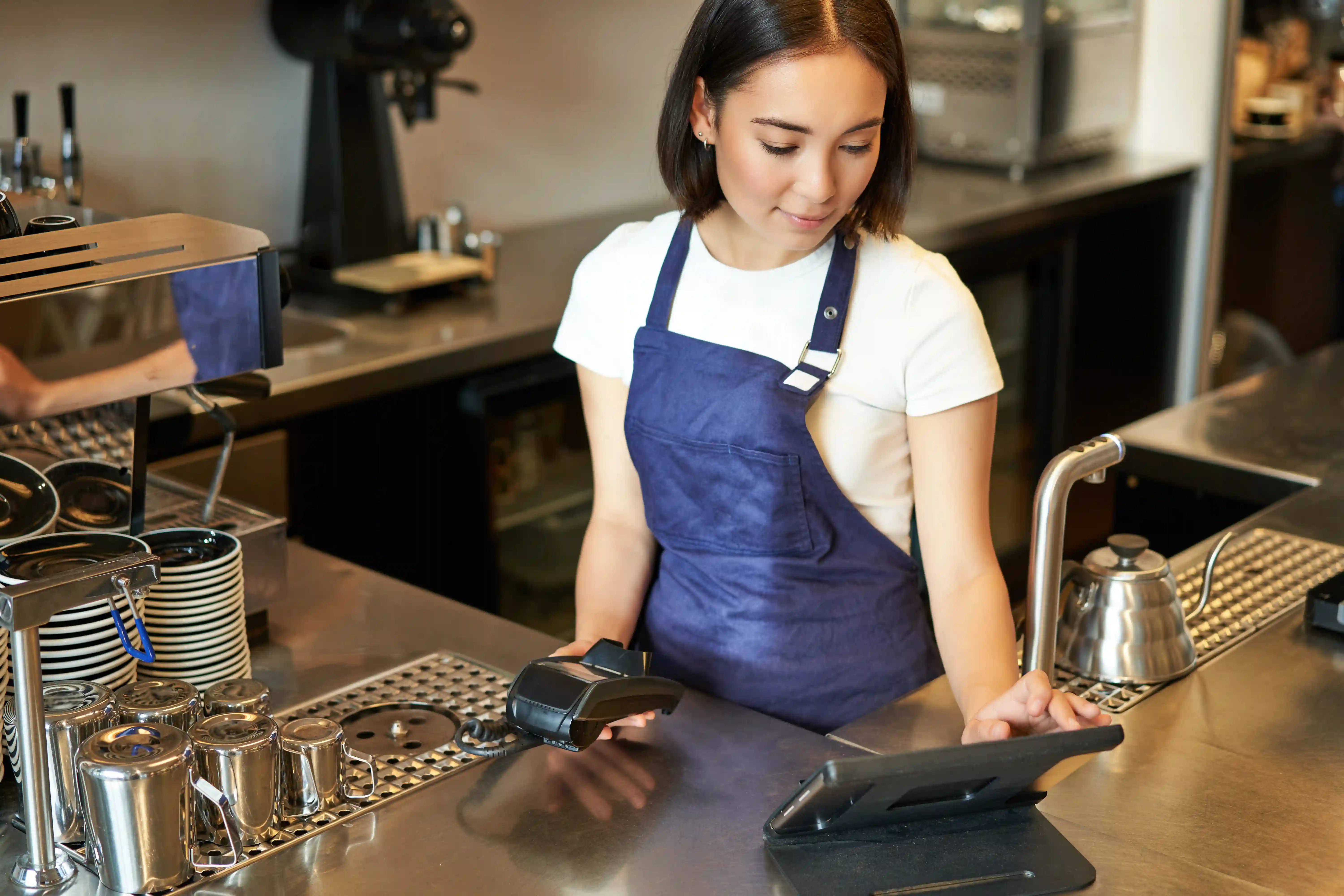
Cafés can accept payments via e-wallets, QRIS, debit, and credit cards, offering greater flexibility to customers.
A café POS system tracks ingredient usage for every order. For example, when a cup of latte is sold, the system automatically deducts the required amount of coffee and milk according to the recipe.
Café owners can monitor daily revenue, best-selling menu items, and peak hours directly from the dashboard—even through a smartphone.
Multi-Device Ordering: Orders can be placed via cashier terminals or self-ordering tablets at tables.
Split Bill: Allows customers to pay separately with ease.
Loyalty Program: Records points or discounts for returning customers.
Table Reservation: Supports both online and offline bookings.
Cafés typically experience peak hours, such as mornings or late afternoons when customers gather to socialize. A POS system enables staff to record orders quickly and send them directly to the kitchen or barista through an integrated system. This reduces waiting time and improves service flow.
Manual mistakes—such as incorrect change, pricing errors, or inaccurate order input—are common in traditional cashier systems. A café POS application automates calculations, significantly reducing the risk of human error.
Consumer behavior has shifted towards cashless transactions. Most café POS applications already support QRIS, e-wallets, debit cards, and credit cards. This flexibility benefits customers while accelerating transaction processes.
Each café menu item requires specific ingredients. With a POS application, every transaction automatically reduces inventory according to the predefined recipe. Owners can determine when to restock, identify the most frequently used ingredients, and even forecast seasonal demand.
One of the greatest advantages of a café POS system is its ability to generate detailed sales reports. These include daily revenue, best-selling items, peak hours, and branch performance (for cafés operating multiple outlets). Such data is highly valuable for strategic business decision-making.
To effectively support operations, an ideal café POS system typically includes:
Order Management: Orders can be recorded via cashier terminals, waiter tablets, or self-ordering kiosks.
Kitchen Display System (KDS): Orders appear directly on kitchen or barista screens without requiring manual notes.
Split Bill & Multiple Payment Options: Customers can pay separately or combine payment methods.
Reservation & Table Management: Facilitates dine-in seating arrangements and bookings.
Customer Loyalty Program: Provides points, discounts, or digital vouchers for loyal customers.
Delivery Integration: Connects directly with food delivery platforms such as GoFood, GrabFood, and ShopeeFood.
| Aspect | Conventional Cash Register | Modern Café POS |
|---|---|---|
| Transaction Recording | Manual, prone to errors | Automatic and accurate |
| Sales Reports | Requires manual calculation | Real-time and detailed |
| Inventory Tracking | Not monitored | Automatically updated |
| Payment Methods | Cash only | Cashless and digital |
| Table Management | Manual | Systematic and efficient |
| Scalability | Difficult to expand | Easily supports multiple branches |
A café POS application is no longer merely a digital cashier—it is a comprehensive management system. With POS support, café operations become faster, more accurate, efficient, and transparent. Customers enjoy smoother service experiences, while business owners can monitor performance and develop strategies based on real-time data.
For business owners who aim to grow and remain competitive in the modern era, transitioning to a café POS application is a strategic decision worth considering. An integrated system ensures automated transactions, organized sales reporting, and simplified inventory control. This allows café owners to focus on service quality and menu excellence without being burdened by manual administrative tasks.
A successful café business requires technological support to achieve greater operational efficiency. A café POS application offers faster transactions, flexible digital payments, and real-time sales reporting. If you aspire to elevate your café business to the next level, feel free to have a discussion with the Omni team and discover the right strategy tailored to your business needs.