

In every sales transaction, the cashier system serves as the final checkpoint that ensures payments are processed smoothly. Behind this simple function, a cash register plays a crucial role in maintaining efficient business operations.
For retail stores, restaurants, and service businesses, cashier systems act as the central point for recording transactions. Every sale is recorded instantly, allowing business owners to track revenue, identify top-selling products, and monitor daily income.
Cash registers also help maintain financial transparency. With structured transaction records, the risk of errors or missing sales data can be minimized.
As technology evolves, the role of cash registers has expanded beyond simple transaction recording. Modern cashier systems can now connect with other business tools such as inventory management systems, sales reports, and operational analytics.
The first cash registers were introduced in the late 19th century as mechanical devices designed to record transactions and prevent cashier fraud.
These systems required manual input and primarily served as tools for storing cash and documenting sales.
With the introduction of electronic technology, cashier systems evolved to include digital displays and automated calculations, significantly improving transaction accuracy and speed.
Today, cashier systems have progressed even further. Many businesses now rely on digital cashier platforms that run on computers, tablets, or mobile devices. These systems go beyond transaction recording by enabling businesses to manage operational data more efficiently.
This transformation has made cashier systems a central component of digital transformation in retail and F&B industries.
Different businesses require different types of cashier systems depending on their operational scale and transaction volume.
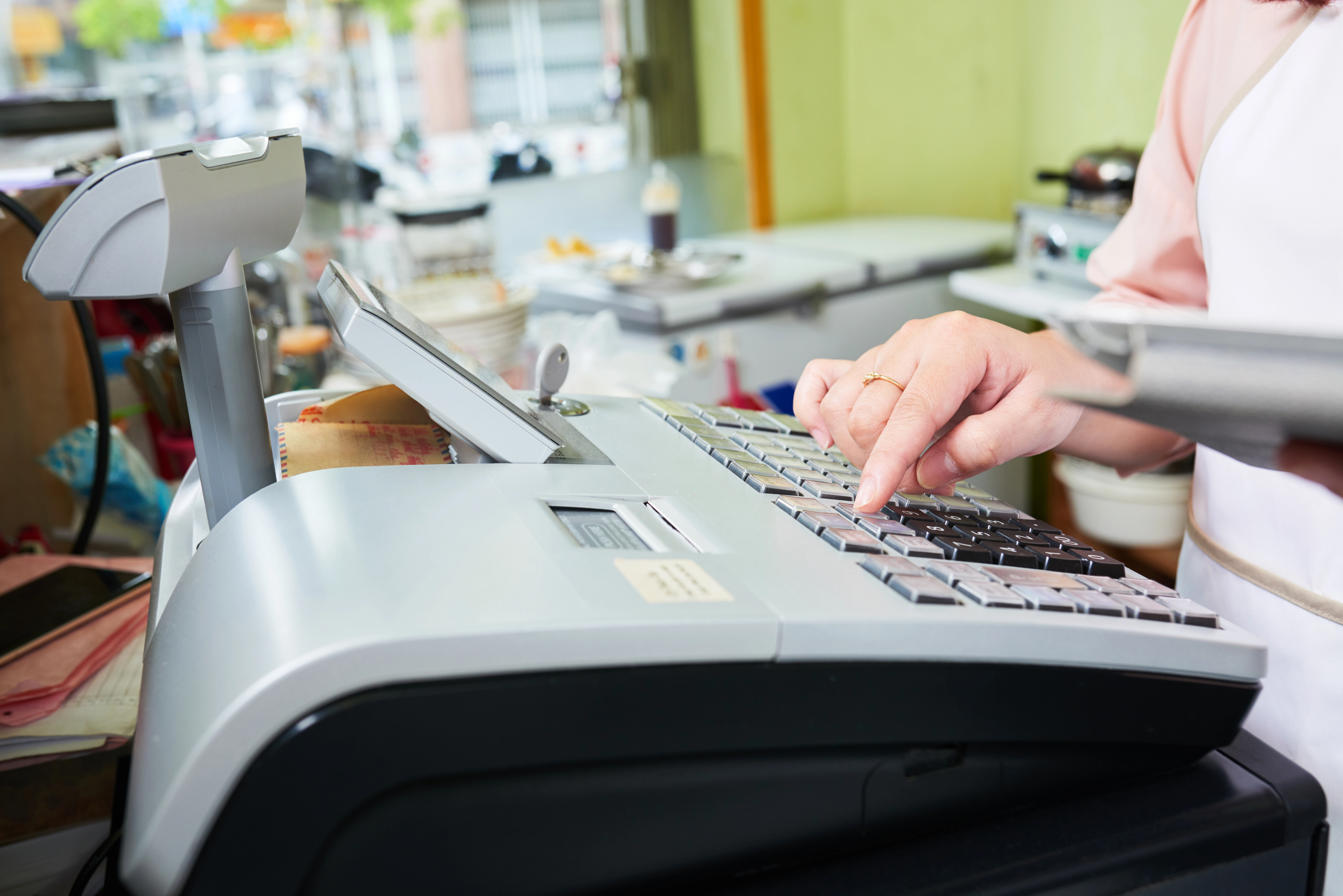
Mechanical cash registers are the simplest type of cashier system. Their primary function is to record transactions and store cash.
They are typically used by small businesses with relatively low transaction volumes.
Electronic cash registers are equipped with digital systems capable of calculating totals automatically and printing receipts.
These systems are more efficient than mechanical registers because they reduce manual calculation errors.
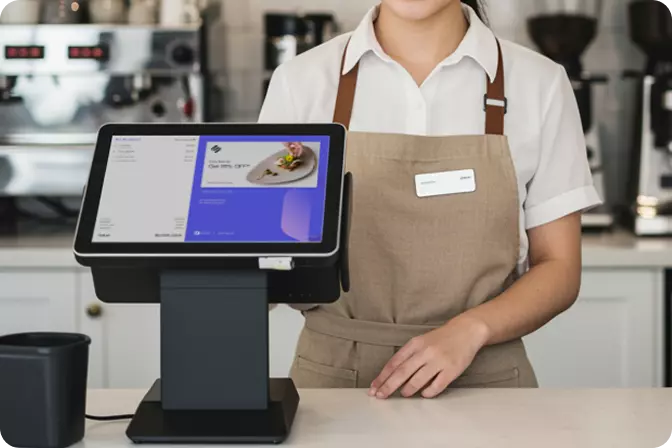
POS-based cashier systems combine hardware and software into a comprehensive business tool.
Beyond processing transactions, these systems can:
As a result, many modern businesses rely on POS-based cashier systems to manage their operations more efficiently.
Modern cashier systems are designed to streamline operational processes and improve transaction management.
Common features found in modern systems include:
These features help business owners monitor performance without relying on manual record-keeping.
In recent years, modern cashier systems have evolved beyond simple transaction tools. They now serve as valuable sources of customer data that businesses can use to improve their marketing and operational strategies.
Every transaction recorded through a digital cashier system contains useful information about customer purchasing behavior. This includes purchase history, transaction frequency, and product preferences.
When integrated with Customer Relationship Management (CRM) systems, cashier platforms can transform this transactional data into meaningful business insights.
This approach allows businesses to move beyond simple sales transactions and focus on building long-term customer relationships.
For retail and F&B businesses with high transaction volumes, integrating cashier systems with CRM platforms can provide powerful insights that help improve customer retention and increase customer lifetime value.
Each type of cashier system offers different advantages depending on business needs.
Traditional cash registers function primarily as transaction recording tools and cash storage devices. While easy to use, they offer limited capabilities for business reporting.
Electronic cash registers provide improved efficiency by automating calculations and printing receipts, making them suitable for businesses with frequent customer transactions.
Meanwhile, POS-based cashier systems offer far broader functionality. In addition to processing sales, they allow businesses to track inventory, analyze sales performance, and integrate digital payment methods.
For businesses operating multiple outlets or handling high transaction volumes, software-based cashier systems provide greater operational flexibility.
Although modern cashier systems provide many advantages, their implementation can present certain challenges.
Some common issues include:
With proper training and reliable technology infrastructure, these challenges can be addressed effectively.
Before selecting a cashier system, businesses should carefully evaluate their operational needs.
The type of business is an important factor, as retail stores, restaurants, and service providers have different workflow requirements.
Ease of use is also critical. Systems that are too complex may slow down transaction processes.
Another important consideration is scalability. A system that can grow with the business will make expansion easier in the future.
By considering these factors, businesses can select a cashier system that supports long-term operational efficiency.
As business technology continues to evolve, cashier systems have transformed from simple transaction tools into operational management platforms. Modern systems allow businesses to connect sales transactions, inventory tracking, and reporting within a single integrated environment.
One solution designed to support these needs is OMNI POS, which enables businesses to manage sales transactions, inventory, and operational reports through one unified system.
With features such as real-time reporting, digital payment integration, and multi-outlet management, OMNI POS helps businesses gain clearer visibility into daily operations.
This integrated approach allows companies to make faster decisions based on accurate sales data.
Start modernizing your business operations with a smarter and more integrated cashier system that supports sustainable business growth.