
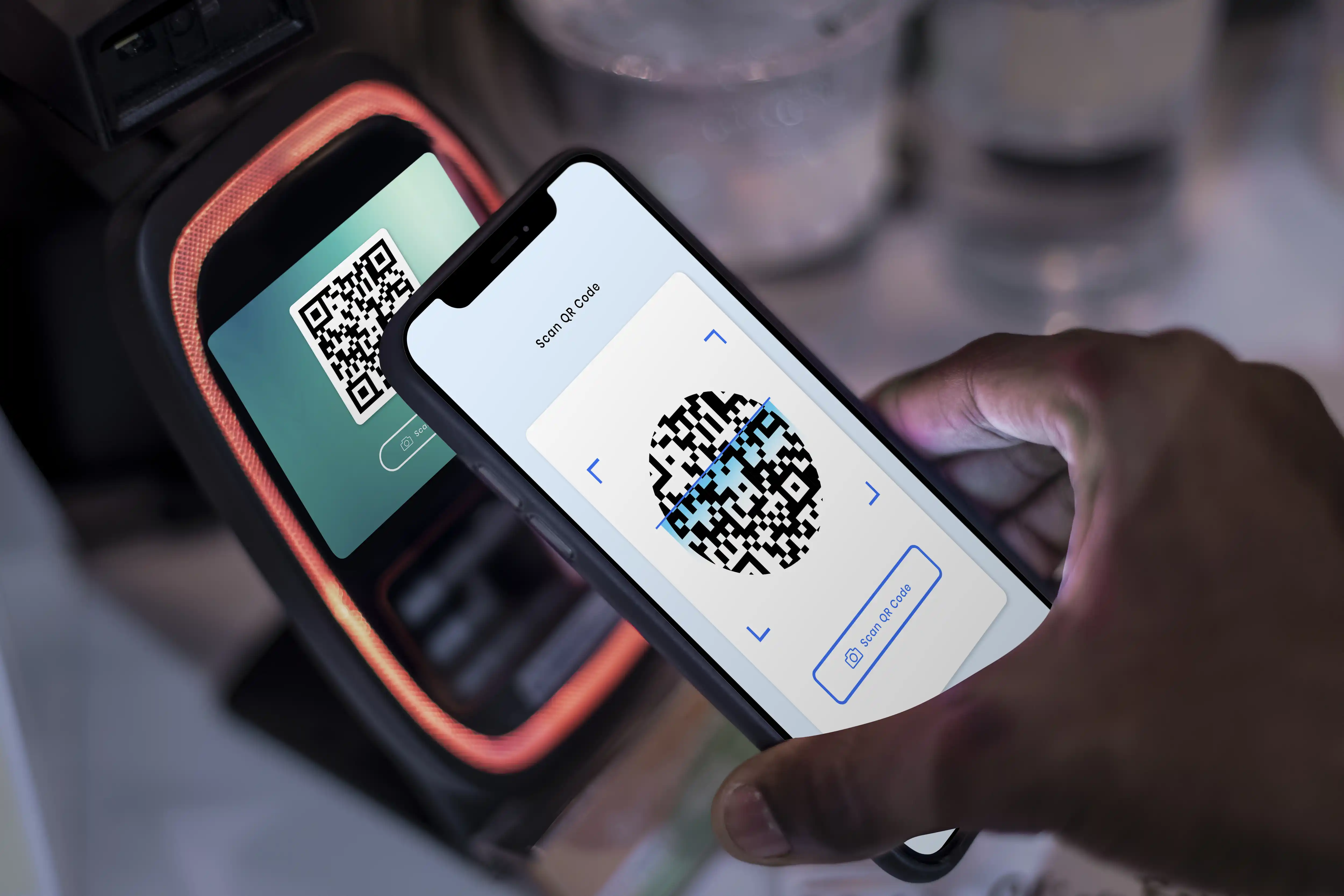
The difference between static and dynamic QRIS comes down to how the QR code is generated and who types in the amount. Static QRIS is a single fixed code, printed once and reused indefinitely, where the customer types in the payment amount themselves. Dynamic QRIS is regenerated with every transaction through a POS app or cloud POS system, with the amount already locked into the code. The fee structure is identical for both, since Bank Indonesia calculates MDR based on merchant category and transaction value, not the type of QR code used.
The scale here is no longer small. As of June 2026, QRIS users in Indonesia had reached 65.77 million, with 44.86 million registered merchants, and the first half of the year recorded 12.55 billion transactions worth roughly Rp1.12 quadrillion. Nearly every F&B and retail outlet now accepts QRIS. What separates one business from another is no longer whether they have QRIS, but how cleanly that money lands in the books.
Static QRIS usually shows up as a sticker or acrylic stand at the register. One code serves every transaction, with no expiration, as long as the linked account stays active. The customer scans it, types in the amount themselves, then shows the phone screen to the cashier as proof of payment.
Dynamic QRIS is generated by a device. A POS app, EDC machine, or cloud POS system creates a new code for each transaction, already embedded with the amount and the outlet's identity. The code expires the moment payment is completed. The transaction limit is the same for both types, capped at Rp10 million per transaction under Bank Indonesia's rules.
This is the part of the static vs dynamic QRIS comparison that gets misunderstood most often. Many business owners assume dynamic QRIS costs more because it requires a device, but the fee is identical. Starting October 1, 2026, Bank Indonesia sets MDR at 0 percent for micro merchants on transactions up to Rp500,000 and 0.3 percent above that, while small, medium, and large merchants are exempt from MDR on transactions up to Rp100,000, down from the previous 0.7 percent. Nowhere in that regulation is there a distinction between static and dynamic rates.
The real difference lies in risk. A static QRIS sticker can be swapped out with a fake code by someone else, sending the customer's money to the wrong account without the cashier noticing. Dynamic QRIS has no such gap, because the code is generated by the system itself, not printed on paper.
Picture a coffee outlet handling 300 transactions a day. With static QRIS, the cashier waits for the customer to type in the amount, checks each phone screen one by one, then reconciles the bank statement against sales records manually every night. Two mistyped transactions a day with a Rp10,000 gap already adds up to Rp600,000 a month per outlet. Multiply that across ten branches, and the number starts to matter.
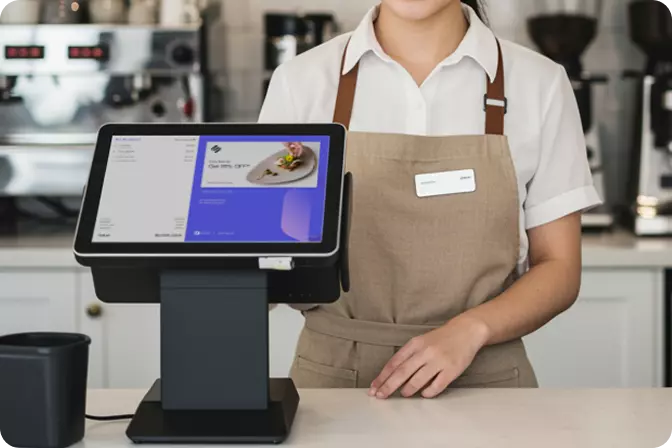
After switching to dynamic QRIS through a cloud POS system, the sequence changes. The cashier enters the order, the code appears automatically with the amount already fixed, the customer scans, and the payment status attaches directly to the receipt. Closing the books, once a task that ate up dozens of minutes, becomes a matter of opening a report. In a system like OMNI POS, dynamic QRIS payments are logged per transaction and per branch, so managing multiple outlets no longer means reconciling ten bank accounts one at a time.
You don't have to choose just one. The logic is simple.
Use static QRIS if you're still handling dozens of transactions a day, you're the one running the register yourself, and you only have one outlet. The cost is close to zero and no device is required.
Use dynamic QRIS if you're handling hundreds of transactions a day, your cashiers are employees, or you're running more than one branch. The amount can't be entered wrong, and the recording happens on its own.
Plenty of businesses end up using both. Dynamic as the primary method, static as a backup in case a device goes down. Understanding the difference between static and dynamic QRIS helps you decide which one becomes your main line and which one stays as backup.
If queues keep growing during rush hour, or closing the books always turns into a whole ordeal, the problem usually isn't the QRIS itself, it's a register that isn't connected to anything. OMNI POS, part of the Stamps ecosystem, brings together sales recording, dynamic QRIS payments, and cross-branch reporting into one cloud POS system. Take a look at how it works on the OMNI POS system page, then see how it fits your outlet today.

 EN
EN
 ID
ID