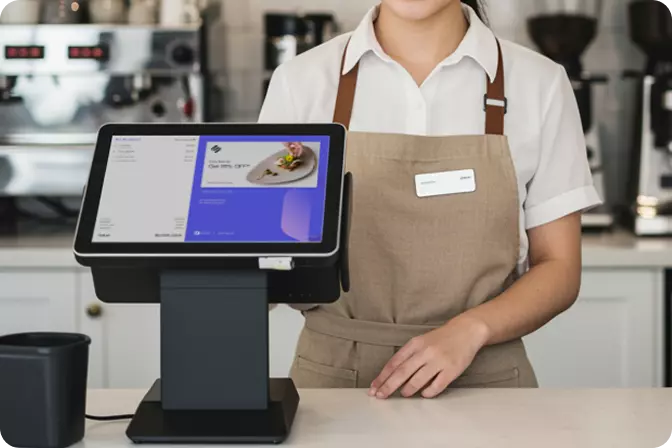

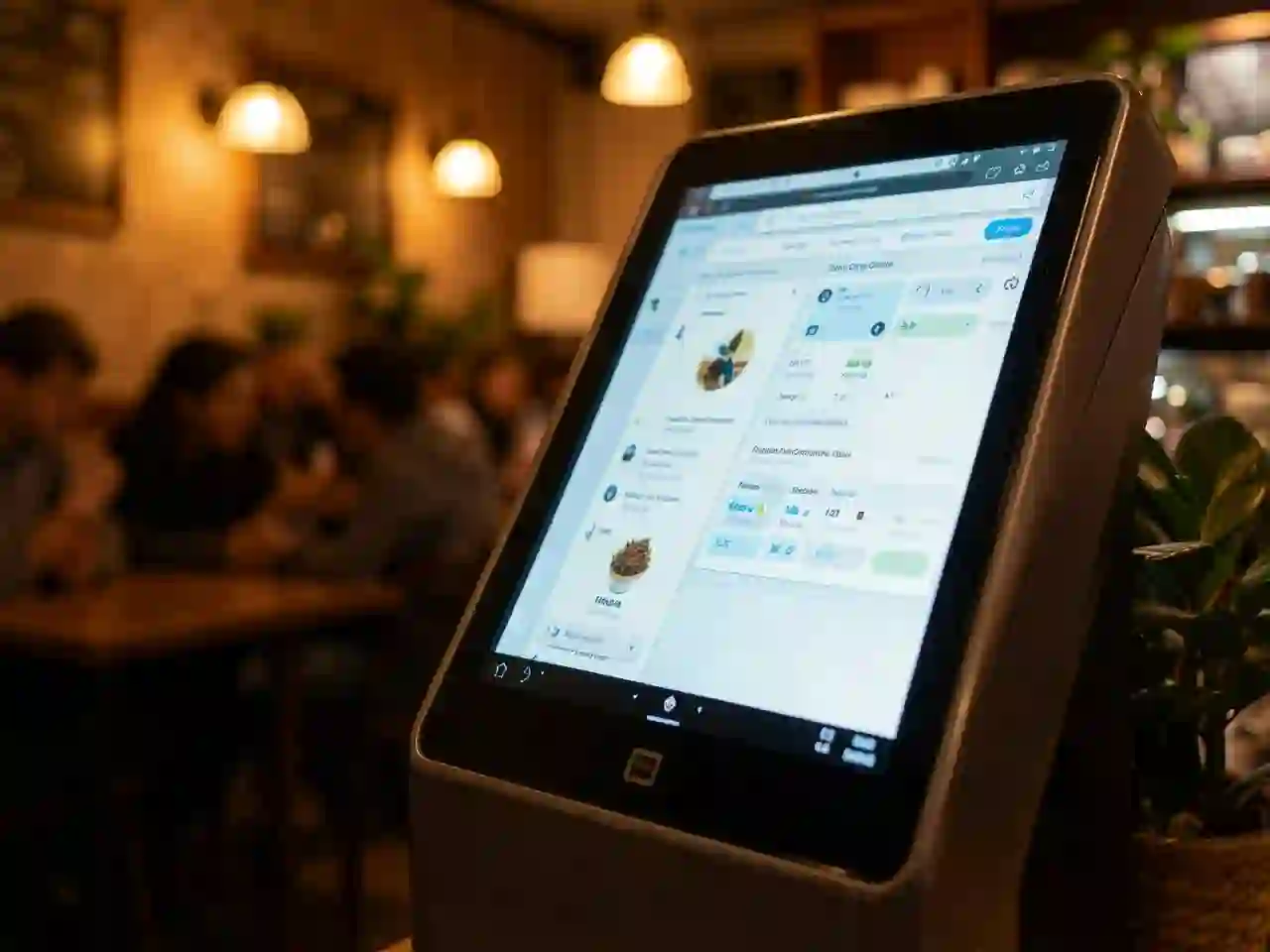
OMNI Kiosk is a touchscreen-based self-ordering system that lets customers place orders and pay independently, connected directly to POS, kitchen, and customer loyalty systems. For F&B and retail business owners, OMNI Kiosk addresses a classic problem: how to serve more customers and increase transaction value, without having to keep adding staff every time the business grows.
Every time a business grows, there's one cost that usually grows faster than revenue: labor cost. Add an outlet, add a cashier. Extend operating hours, add a shift. At a certain point, service capacity becomes limited by how many people can be hired and trained, not by how large the market demand actually is.
This is where OMNI Kiosk changes the equation: not by adding more people, but by building a single system that can handle more transactions while increasing the value of each one, without operational costs growing in a linear way.
What sets OMNI Kiosk apart from a generic kiosk is its integration. This kiosk doesn't stand alone, it's integrated with OMNI POS and can connect to Stamps CRM, so every transaction simultaneously becomes customer data that can be used for more targeted loyalty programs and promotions.
The process is simple from the customer's side, but more sophisticated behind the scenes:
The entire process can be monitored from a single dashboard, whether for one outlet or dozens at once, without needing to add a team just to oversee each location manually.
Not all kiosks are built the same. Here are the features that distinguish OMNI Kiosk from a simple "automated ordering machine":
The benefits of OMNI Kiosk actually touch three areas at once:
For operations teams, this kiosk means a single system that can handle order volume equivalent to several cashiers, with a kitchen workflow that's better synchronized and far less prone to verbal miscommunication.
For business owners, it means serving more customers and raising average transaction value without growing headcount proportionally, so the ratio of operating costs to revenue stays healthier as the business grows.
For marketing teams, every kiosk transaction becomes valuable data: customer preferences, peak hours, and which products are most often paired in a single order. All of that data can be turned into more personalized campaigns, without needing additional, costly market research.
Kiosk adoption in Indonesia is no longer an experiment, it's becoming the new standard across large-scale industries. The following data points illustrate this direction:
OMNI Kiosk isn't just a self-ordering machine, it's how F&B and retail businesses break the link between business growth and labor cost growth. For decision-makers, the question is no longer whether a self-ordering kiosk is relevant, but how much longer the current operating model can withstand growth pressure before staffing costs start eating into margins.
If your business wants to see firsthand how OMNI Kiosk performs at your operational scale, scheduling a free consultation with the OMNI team is the right first step.

 EN
EN
 ID
ID