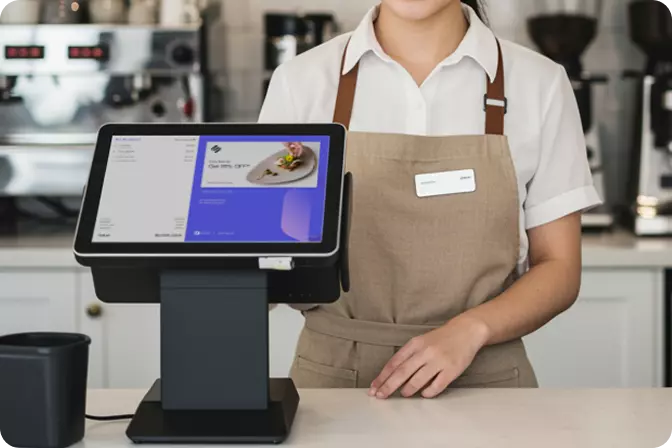

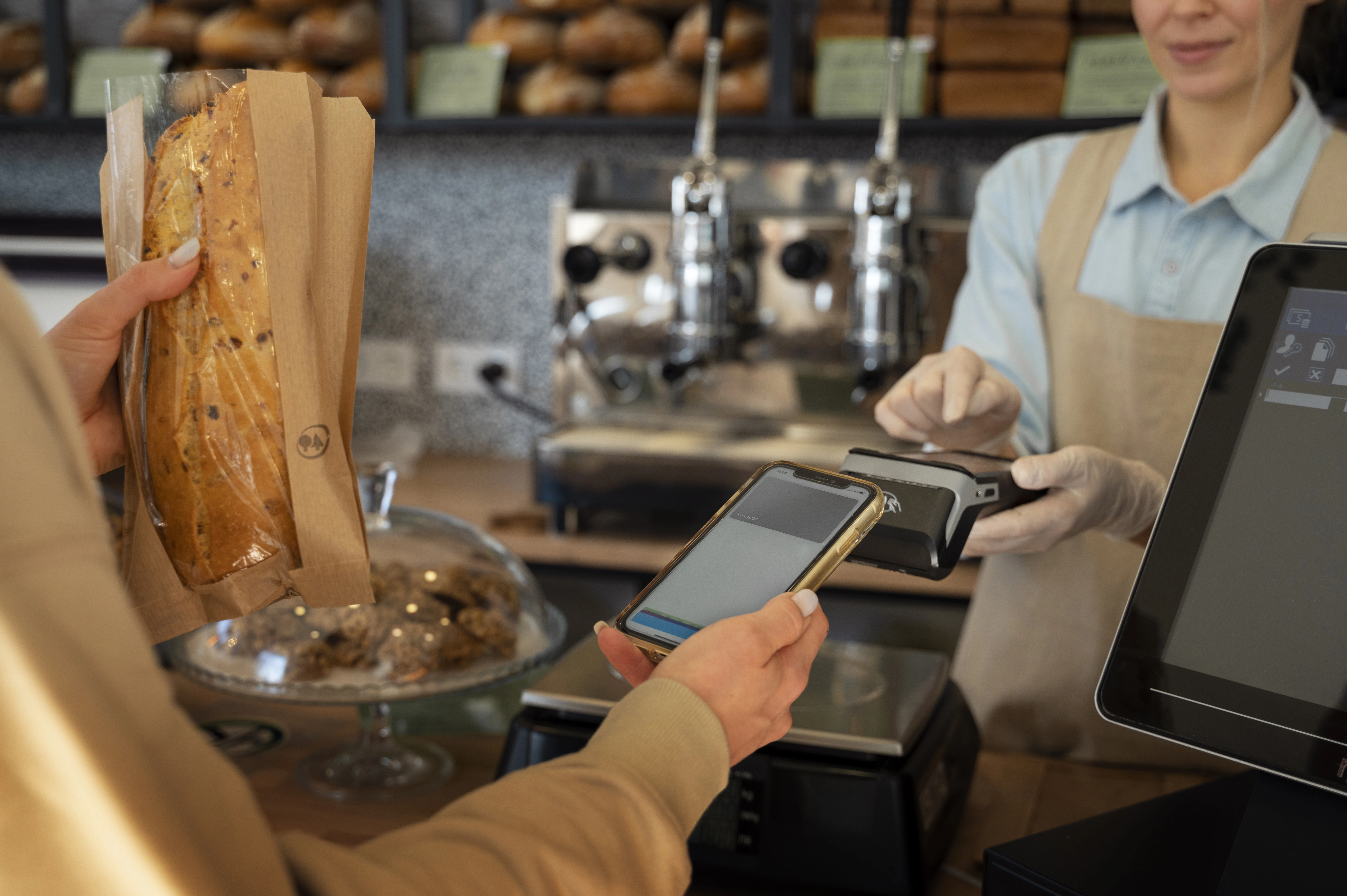
Not all businesses operate in conditions where internet connectivity is always stable. In many areas, network issues can still occur, while business operations must continue without disruption. In situations like this, offline POS systems remain highly relevant for many businesses in Indonesia.
These systems allow transactions to continue even when internet connections are interrupted, ensuring businesses do not stop operating simply because of network problems. For many business owners, this level of operational stability is an important factor in maintaining customer experience and smooth day-to-day transactions.
An offline POS system is a cashier system that can operate without an active internet connection for handling transactions and basic business operations.
Unlike fully online systems, offline POS systems still allow:
even when internet access is unavailable.
In practice, many modern systems also combine offline and cloud approaches for greater flexibility.
Even as digital transformation continues, the need for offline systems remains high in Indonesia.
Some of the reasons include:
Especially in businesses with high transaction traffic, even a few seconds of delay can affect queues and customer experience. This is why operational stability remains one of the main reasons offline POS systems are still relevant today.
When implemented properly, the impact is usually seen in the following areas:
Transactions can still be processed even during internet disruptions.
Businesses are not fully dependent on online connectivity for daily operations.
Local systems often provide faster response times for core transactions.
Transaction information is still recorded and can be synchronized once connectivity returns.
Many businesses adopt cloud-based systems without fully considering real operational conditions.
However, when internet issues occur:
This is why some businesses still prefer offline or hybrid systems to ensure operational continuity under various conditions.
There is still a misconception that offline systems are no longer relevant.
In reality, many modern POS systems now use hybrid approaches:
This means the main focus is not simply online or offline, but ensuring businesses continue operating efficiently and reliably.
Transactions can still be processed without internet access.
Data can synchronize once the network becomes available again.
Stock movement continues to be recorded during transactions.
Systems can operate across multiple business devices.
Operational data remains stored to reduce the risk of losing transaction information.
|
Aspect |
Manual System |
Offline POS System |
|
Transactions |
Slow |
Faster |
|
Recording |
Manual |
Automated |
|
Operational stability |
Inconsistent |
More stable |
|
Human error risk |
High |
Lower |
|
Data storage |
Unstructured |
More systematic |
Many businesses are adopting combinations of offline and cloud systems for operational flexibility.
Transaction speed is becoming a major priority in retail and F&B operations.
Businesses are increasingly prioritizing systems that continue working under various network conditions.
POS systems are becoming connected with inventory, reporting, and digital payment systems within one platform.
Each business has unique operational requirements.
For example:
This is why the ideal offline POS system is one that remains flexible and adaptable to daily business operations.
As business operations become more complex, ensuring uninterrupted transactions becomes increasingly important.
At this stage, many businesses begin looking for solutions that help:
Today, various POS solutions in Indonesia support offline and hybrid approaches, one of which is OMNI POS. With systems designed to support modern business operations, approaches like these help businesses remain more stable, flexible, and structured across different operational conditions.
It’s time to manage your business with a more practical system built to support daily operations with OMNI POS!

 EN
EN
 ID
ID