A restaurant POS app is software that records transactions, manages ingredient stock, forwards orders to the kitchen, and presents sales reports automatically within a single system. For eatery owners, this application is not merely a replacement for the cash register but an operational control centre that closes the gaps where money leaks away and turns sales figures into business decisions. This article discusses in full the definition, how it works, the types, the core features, the business benefits, real examples in Indonesia, a comparison of tools, tips for choosing, and the latest trends.
What Is a Restaurant POS App?
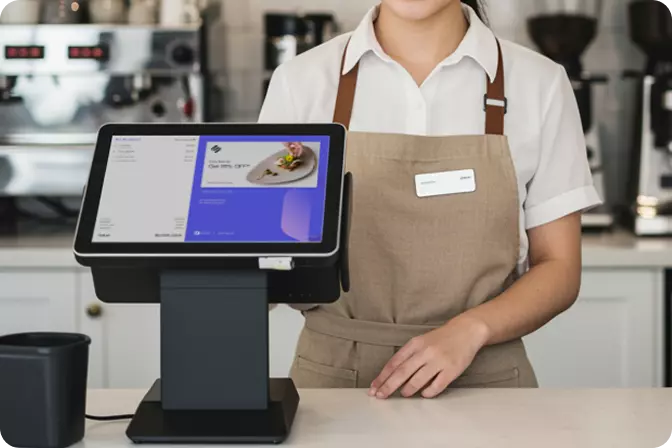
A restaurant POS app is a software based system, usually running on a tablet, phone, or computer, that manages the entire transaction flow of an eatery digitally and in an integrated way. From recording orders, calculating bills, accepting payments, and deducting ingredient stock to compiling daily reports, everything runs in a single automated sequence.
Put simply, whereas a cashier once wrote orders on paper and then worked out the total with a calculator, a single screen now handles all of it at once. The difference is that this system also "remembers" which menu items sell best, what time the eatery is busiest, and how much stock remains in the kitchen.
Why does this matter to owners? Because today's culinary businesses operate within an increasingly narrow margin. Selling prices are difficult to raise because of fierce competition, while the costs of wages, rent, and raw materials keep climbing. In a situation like this, operational efficiency becomes the only way out, and the POS app sits right at its centre.
How a Restaurant POS App Works
In the eyes of the customer, the flow feels quick: order, eat, pay. Behind the scenes, however, several layers work in unison:
- Order recording. The waiter enters the order, and the system immediately forwards the details to the kitchen through a kitchen printer or kitchen display. The cashier and the kitchen receive the same information, so mishearing or miswriting an order drops dramatically.
- Bill calculation. Totals, taxes, and discounts are computed automatically, including for orders that are split (split bill) or opened in stages (open bill).
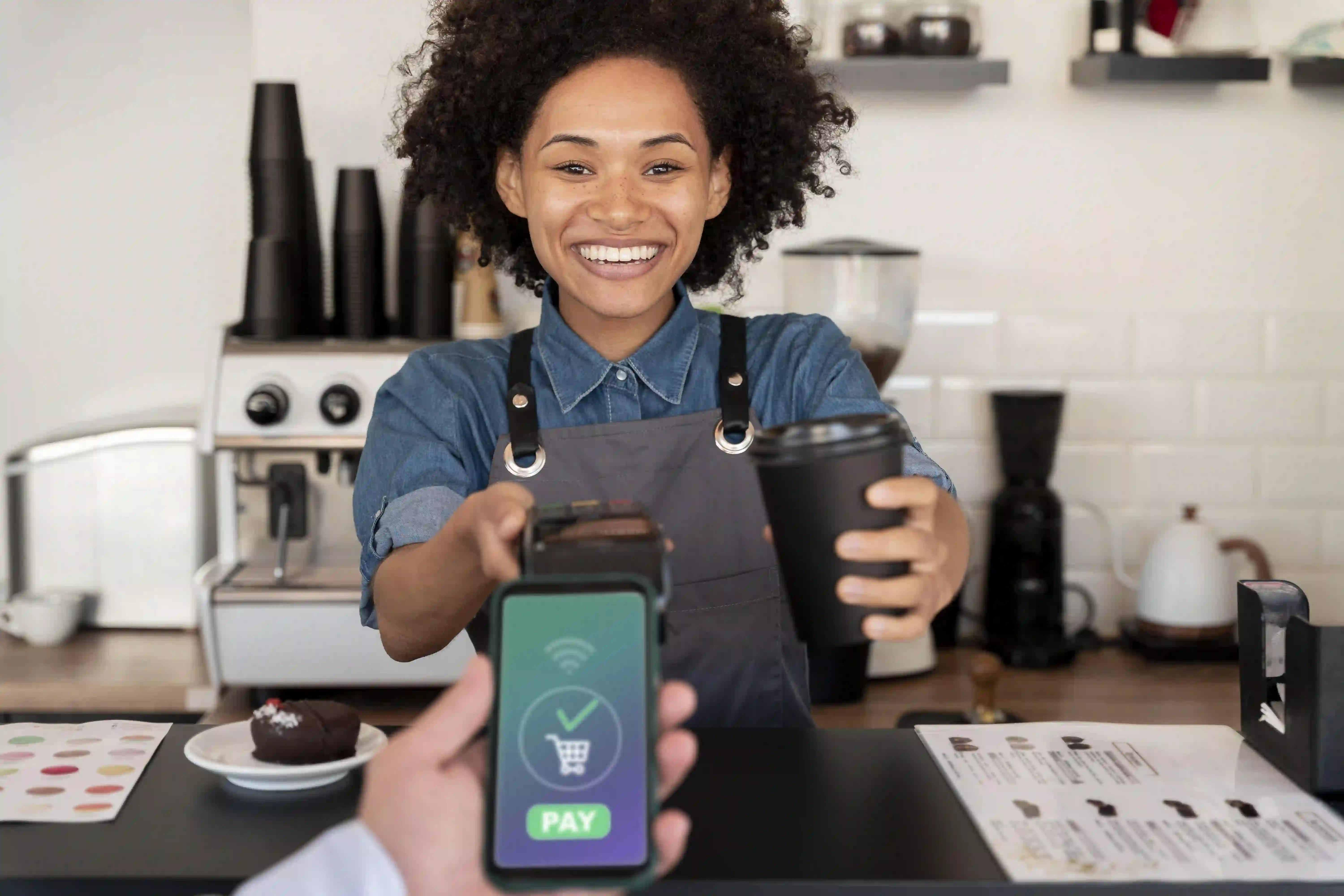
- Flexible payment. Cash, cards, QRIS, and digital wallets are all accepted within one system.
- Automatic stock deduction. If enabled, every portion sold immediately reduces ingredient stock according to the recipe.
- Instant reporting. Because everything is recorded from the start, the end of day report appears without the need to recompile data from many sources.
- For management, it is this final layer that is the most valuable. Accurate reports turn guesswork into data, and data into decisions.
Types of Restaurant POS App
There is no single system that suits every scale of business. Here are the most common types on the market:
- Cloud based POS apps. Data is stored on a server and can be accessed from anywhere. This suits owners who want to monitor several branches from a single account.
- Mobile based POS apps. Running lightly on a tablet or phone, these are ideal for stalls and small shops that are just beginning to go digital.
- ERP integrated POS systems. These combine the cashier function with accounting, inventory, and staff management. They suit large restaurants and franchise networks.
- Hybrid POS apps (online and offline). These keep running when the internet connection is disrupted, then synchronise data automatically once back online. This is crucial for eateries in locations with an unstable signal.
Core Features Every System Must Have
When assessing an application, pay attention to the following core features:
- Table and order management, so that service stays orderly during peak hours.
- Kitchen integration (kitchen display or printer), to cut down miscommunication between the cashier and the kitchen.
- Recipe based stock management, so that every sale automatically adjusts the supply of ingredients.
- Digital payment integration, including QRIS and electronic wallets, which are now the standard.
- Sales reporting and analytics, serving as a window for owners to monitor menu and promotion performance in real time.
- Offline mode, so that transactions do not stop when the internet has problems.
- Multi outlet management, for owners who run more than one branch.
Why Your Business Needs One
For owners and the management team, every investment always comes back to a single question: what is the impact on profit? Here is what a modern POS system offers:
- Closing the gaps where money leaks. Manual record keeping is prone to errors and fraud. A digital system records every transaction, making cash discrepancies easier to trace.
- Operational efficiency. Orders that flow straight to the kitchen and reports that compile automatically save staff time, which means saving costs.
- Data driven decisions. You know which menu items are profitable and which are actually a burden, so you can rearrange the menu with confidence.
- A better customer experience. Fast service and accurate orders raise satisfaction, which in turn builds loyalty.
The adoption trend is clear. More than 65 per cent of small businesses in Indonesia have begun shifting to cloud based POS apps to record transactions in real time, manage stock, and monitor reports from anywhere.
Examples of Use in Indonesia
The adoption of restaurant POS apps is now widespread across various scales of culinary business in Indonesia:
- Stalls and coffee shops. Small business owners use lightweight apps to record daily transactions, manage simple stock, and accept QRIS payments without any fuss.
- Fast food outlets. High volume venues rely on kitchen integration to keep orders flowing in an orderly fashion during busy hours.
- Cafés and modern restaurants. Open bill and split bill features make things easier for customers who linger for a long time or pay together.
- Franchise networks. Cloud based systems allow owners to monitor sales across all branches from a single dashboard, anytime and anywhere.
A number of local providers now compete fiercely, offering solutions tailored to the needs of the Indonesian market, from simple packages for beginners to fully integrated systems at the enterprise scale.
Tips for Choosing the Right Restaurant POS App
Before deciding, consider the following steps:
- Start from real needs, not the fanciest features. A small stall does not require an ERP module, and a large restaurant will not be served well by the most basic app.
- Make sure there is an offline mode. In Indonesia, the internet connection is not always stable. A system that keeps running when the network drops is a lifesaver.
- Check the payment and kitchen integration. These two areas are most often the source of operational bottlenecks.
- Examine the quality of the reports. A system without reports you can read easily is merely a recording machine, not a decision making tool.
- Calculate the total cost of ownership. Not only the subscription price, but also the cost of devices, training, and technical support.
- Test the customer support. When the system has problems during peak hours, the provider's response speed determines everything.
Current Restaurant POS Trends
The landscape of POS technology moves quickly, and the following directions are worth your attention:
- From omnichannel towards unified commerce. Simply being present across many channels is no longer enough. The standard now is real time stock synchronisation between the physical store, marketplaces, and delivery services.
- AI driven personalisation and upselling. Modern systems are beginning to analyse purchasing patterns to recommend additional menu items automatically.
- The dominance of digital payment. QRIS and electronic wallets are now a basic customer expectation rather than an added feature.
- The shift to a cloud base. Access to data from anywhere has become a necessity rather than a luxury, especially for owners with multiple branches.
It Is Time to Upgrade Your Record Keeping with a POS App
A restaurant POS app is no longer an accessory but an operational infrastructure that closes the gaps where money leaks while supplying data for sharper decisions. Amid narrowing margins and intensifying competition, the question is no longer whether your eatery needs one, but which system best matches your scale, location, and business needs. Start from your real needs, make sure the system keeps running when the internet wavers, and choose a provider that is ready to stand by you when the busiest hours arrive.



 EN
EN
 ID
ID