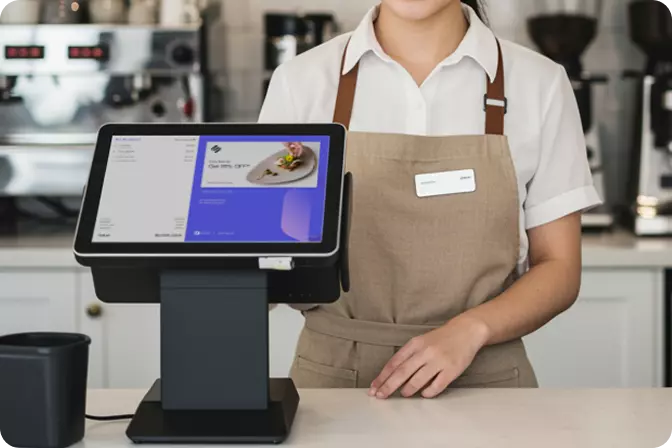

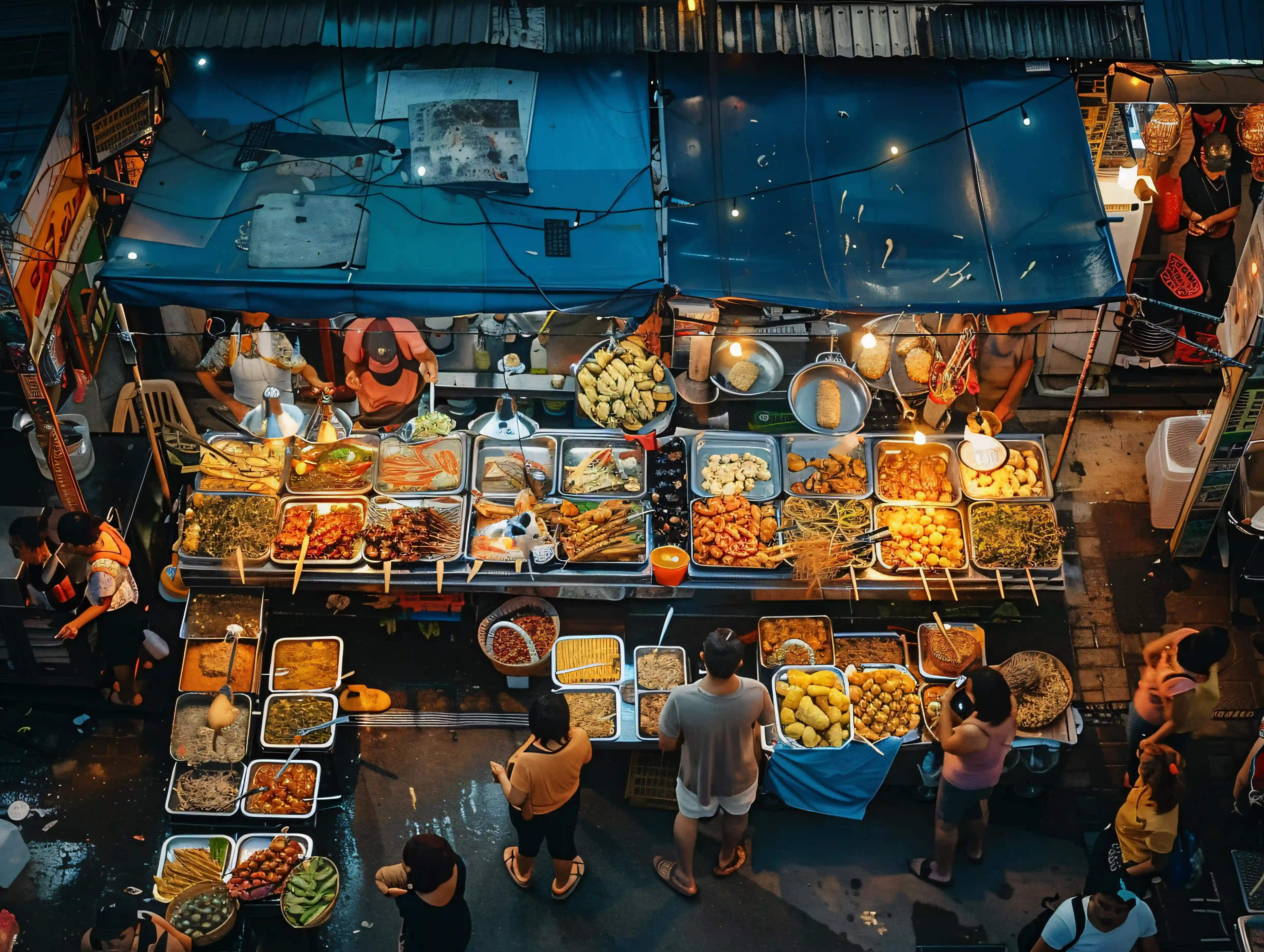
As of late 2025, accommodation, food, and beverage businesses accounted for 6.41 million enterprises, the second largest SME sector in Indonesia after trade, according to SIDT-UMKM data from the Ministry of SMEs. In a sector that crowded, losses rarely arrive as one dramatic event. They accumulate quietly, surfacing at the same hours every day, and most slip past before anyone can write them down. That is the real purpose of a POS for SMEs in food and beverage. It is less a machine for counting money than a way of tidying up the four moments where the gaps open.
A clothing shop can afford to miscount its stock, since the shirts will still be there next week. Kitchen ingredients are nowhere near that forgiving. The industry rule of thumb puts a healthy food cost between 30 and 35 percent of sales, so drifting two points above that range can swallow a month of margin unnoticed.
The pressure also lands in a narrow window. Most of the revenue in a coffee shop or small restaurant is earned within two or three hours, precisely when everyone on the floor is too busy to record anything.
Morning. Yesterday's leftover stock is rarely recounted, so today's shopping list becomes an educated guess. The numbers have drifted before the first customer walks in.
Midday. Orders pile up, notes migrate onto scraps of paper, and a dish sent to the wrong table is replaced without a word going into the books. Yet these two hours shape your monthly figures more than any other.
Afternoon. Shifts change hands and so does the cash, often without a proper handover. If something is missing later, the trail has already walked out with the previous shift.
Evening. Closing time arrives, the till does not match the record, and the difference is written off as normal because there is no way to prove otherwise.
All four close the same way, by making sure every event leaves a trace. OMNI POS records sales by menu item, by hour, and by cashier automatically, so any discrepancy can be traced back to its source.
Does a small shop with two staff need a POS system? Yes, because the losses above do not wait politely for your business to grow.
Do ingredients have to be entered one by one? No. Each recipe is set up once, and from then on ingredient stock is deducted automatically every time that item sells.
What if the internet drops at peak hours? Any decent cloud POS system has an offline mode, so transactions carry on and the data syncs once the connection returns.
Before settling on a POS for SMEs in food and beverage, make sure these five things are covered.
Replacing a cashier system feels like a major undertaking, when in truth the risk shrinks if you begin in one location. Choose your busiest outlet rather than your quietest. Where traffic is heaviest, every weakness in the old way of working surfaces within days, so you will not be left waiting to see whether the system suits you.
Give it four weeks, then compare three things. Daily cash discrepancies, leftover ingredients at week's end, and how long a report takes to put together. If all three improve, you have a solid case for rolling the same system out to your next branch. If not, what you have lost is one month of subscription rather than a year of operations.
One thing often goes unnoticed here. This decision is not really about technology, it is about no longer having to guess. Once your sales figures stop being guesswork, your choices around the menu, opening hours, and purchasing shift on their own, usually faster than you expect. If that sounds like where you are, put OMNI POS to work in one outlet and judge the results over the coming month.

 EN
EN
 ID
ID