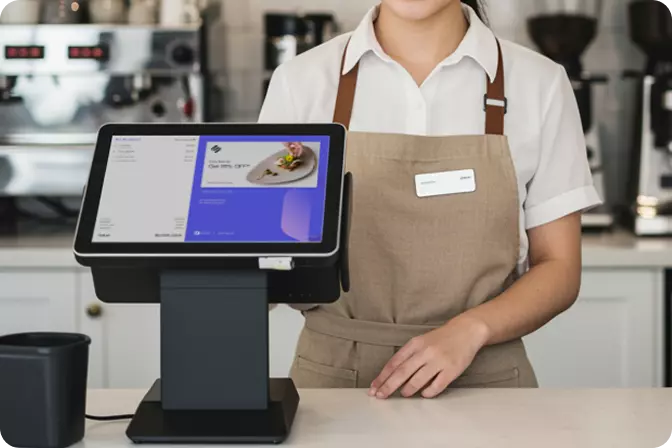

Running a business in the hospitality and F&B industry is about far more than good food or friendly service. Behind every positive guest experience lies a chain of daily operations that must run without a hitch from order processing and kitchen communication to inventory management and keeping customers coming back.
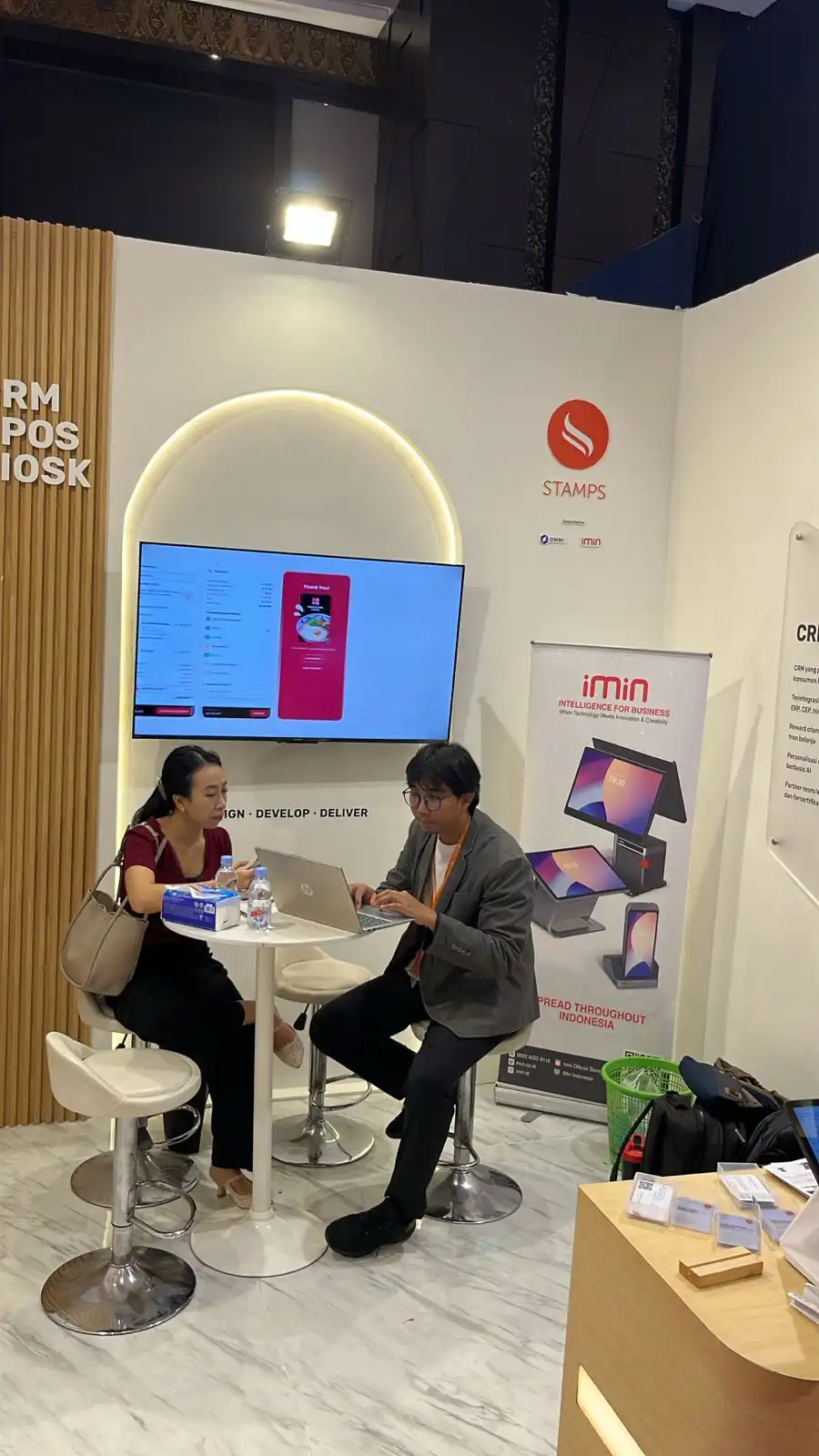
These are exactly the kinds of challenges that took centre stage at Food, Hotel & Tourism Bali (FHTB) 2026, one of Indonesia's largest hospitality, food, and tourism exhibitions, held on 28–30 April 2026 at the Bali Nusa Dua Convention Center.
This year, OMNI POS and Stamps joined the event as part of the modern operational technology ecosystem, presenting solutions built specifically for the needs of Indonesia's hospitality businesses.
FHTB brought together more than 200 global exhibitors spanning multiple sectors from professional kitchen equipment and digital payment systems to operational management solutions. The event gave business owners a hands-on opportunity to explore the latest innovations, compare options side by side, and speak directly with solution providers.
Several key trends dominated the conversations at this year's event:
As a business grows and customer traffic increases, manual processes tend to reach their limits. Common pain points include:
These are not purely technical issues they have a direct impact on guest experience and business profitability.
At FHTB 2026, OMNI POS and Stamps introduced a suite of operational solutions designed to work together within a single, connected ecosystem:
A modern point-of-sale system that speeds up transactions, manages menus and inventory, and delivers real-time operational reports eliminating the need for manual reconciliation at the end of each day.
Stamps helps businesses build a deeper understanding of their customers. With a structured loyalty programme in place, customers have a genuine reason to return and businesses gain the data they need to understand purchasing behaviour and act on it.
Customers can place their own orders directly through a kiosk, reducing queue times and easing pressure on front-of-house staff during busy periods.
Orders appear on the kitchen screen the moment they are placed no printed tickets, no verbal relay. This keeps kitchen workflow structured and significantly reduces the risk of missed or delayed orders.
Even the most capable software needs the right hardware to perform well in a fast-paced business environment.
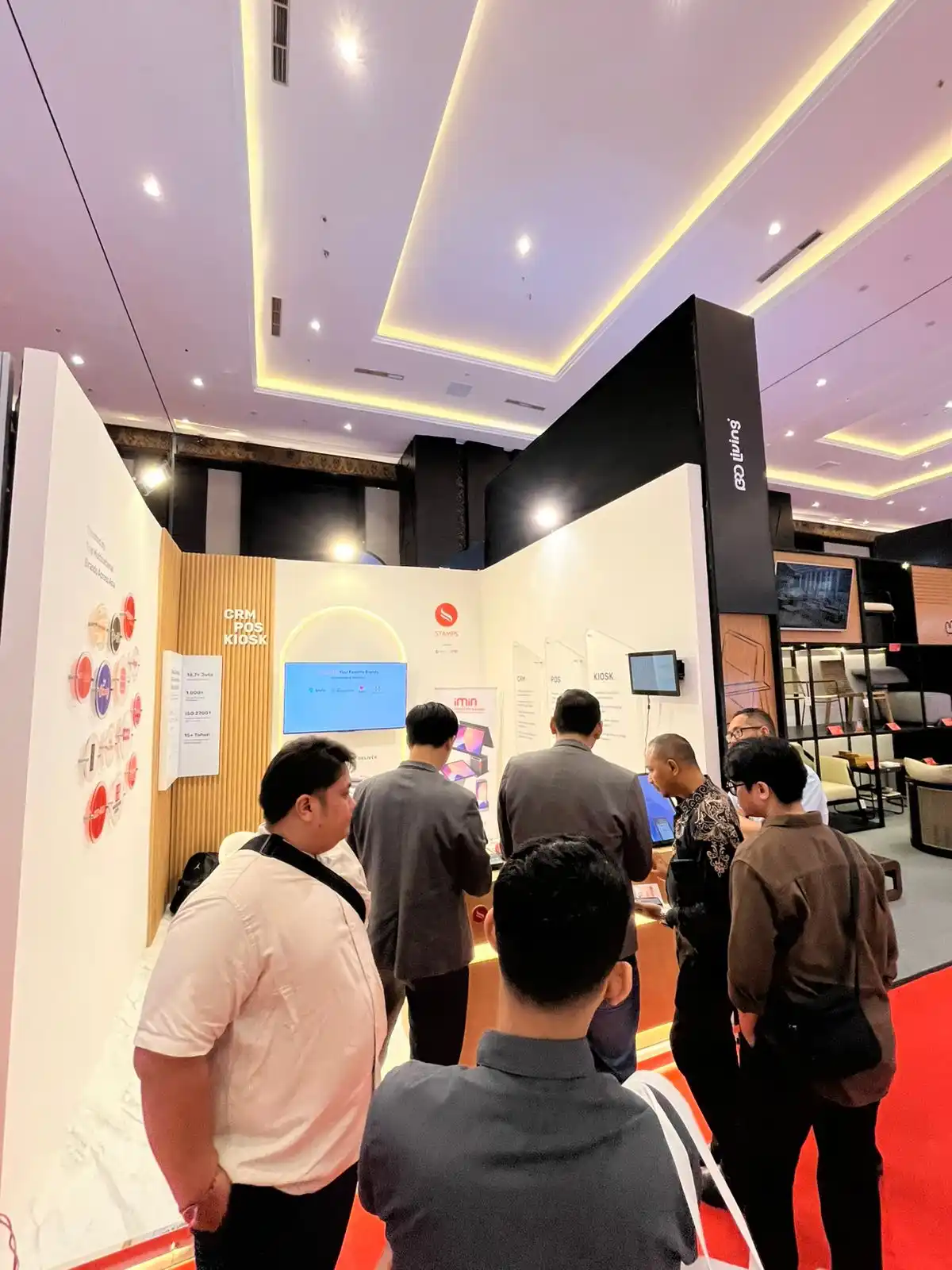
At FHTB 2026, OMNI POS and Stamps were supported by devices from iMin, a smart POS device brand widely used across the retail and hospitality sectors. Visitors had the opportunity to see firsthand how smart POS terminals, self-service kiosks, and other transaction devices perform under real operational conditions.
This combination of integrated software and hardware helps businesses achieve more stable, consistent day-to-day operations.
|
Aspect |
Manual System |
Integrated System |
|
Transaction recording |
Manual, prone to errors |
Automated and accurate |
|
Kitchen communication |
Paper-based or verbal |
Digital via KDS |
|
Customer data |
Unstructured |
Connected to CRM |
|
Outlet monitoring |
Limited and reactive |
Real-time |
|
Digital payments |
Separate from the system |
Fully integrated |
|
Service consistency |
Dependent on individuals |
More standardised |
Hospitality businesses that operate on integrated systems are not only more efficient internally they are also better equipped to deliver a consistent guest experience, even when things get busy.
For business owners looking to grow in a more structured way, adopting the right technology is not about keeping up with trends. It is about building an operational foundation strong enough to support long-term growth.
Interested in learning how OMNI POS and Stamps can be applied to your business? Get in touch with our team and let's discuss the right operational solution for you.

 EN
EN
 ID
ID