
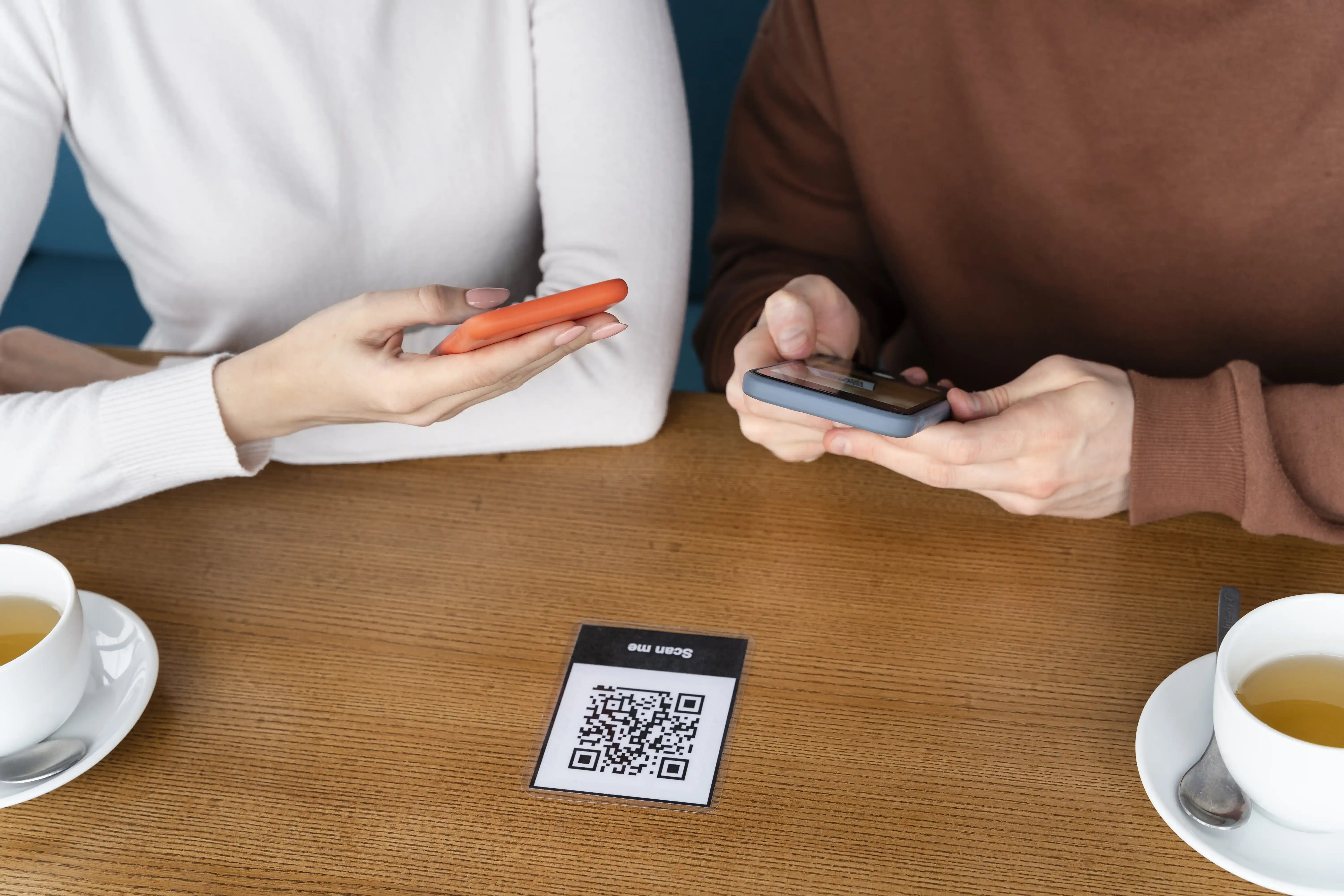
QR table order is an ordering system in which guests at a restaurant or cafe simply scan a QR code placed on the table, open a digital menu on their phone, and place their own order without waiting for a waiter to arrive. As soon as an order is submitted, it is sent directly to the POS and kitchen systems in that same instant. For restaurants with a high volume of guests, the benefit is immediately obvious, waiting times shrink because guests can order the moment they are ready, and orders arrive more accurately since special requests such as "not spicy" are recorded straight from the guest's phone rather than relayed through a waiter's handwriting.
QR table order is not merely a feature meant to look modern. It addresses an operational problem that the F&B industry has long treated as unavoidable, particularly during peak hours or when an outlet is short staffed.
The core problem with manual systems lies in the length of the process, not in staff performance. Every order has to pass through several stages, from guest to waiter, waiter to kitchen, then back from kitchen to cashier to produce a bill. The longer this chain becomes, the greater the chance of error, whether that is mishearing an order, forgetting a special request, or bills getting mixed up between tables.
In restaurants that get busy over the weekend or during meal rushes, this problem becomes even more pronounced. Waiters who should be focused on attending to guests end up preoccupied with writing down orders by hand, while the cashier still has to re enter each order into the system one at a time. For restaurants with multiple branches, this issue compounds further, since the workflow at each outlet can vary depending on the habits of its individual staff.
QR table order collapses an ordering process that once involved many steps into a single action on a phone. A guest sits down, scans the QR code, selects items from the menu, pays if required, and the order is sent to the POS and kitchen systems simultaneously. The error prone task of manual note taking is no longer needed at all.
Two main benefits stand out immediately. First, service speed improves because guests no longer have to wait for a waiter who is tied up elsewhere. Second, order data becomes more accurate, since every request from a guest, including special instructions, is recorded exactly as they entered it themselves.
The most visible differences show up in three areas, speed, accuracy, and the amount of staff required. A manual system needs at least one waiter to handle several tables at once in order for orders to be captured properly, whereas with QR table order, a single staff member can oversee far more tables since the task of recording orders has already been taken over by the system. This does not mean the waiter's role becomes unnecessary, only that the focus shifts away from taking orders and toward delivering a better guest experience, such as recommending dishes or handling complaints.
On the cost side, restaurants with high guest volume typically feel a lighter workload during peak hours, since the queue of orders no longer piles up at a single point. The difference is just as significant when it comes to data. A manual system produces almost nothing that can be analysed, while QR table order automatically stores every transaction, data that can then be used to identify best selling menu items, the busiest hours, or guest habits at each individual branch.
Is QR table order suitable for every type of restaurant? It suits most dine in formats, such as cafes, casual restaurants, and food courts, but is less appropriate for fine dining establishments that rely on personal service from a waiter as part of the experience itself.
What if guests are not particularly comfortable with technology? Most QR table order systems are built to require no app download at all, guests simply scan the code and the menu opens directly in their phone's browser, so the barrier tends to be far smaller than restaurant owners often fear.
What happens if the restaurant's internet connection is unstable? This is a fair concern, which is why a restaurant should prepare a backup WiFi connection or choose a system that can still store transactions even when the connection briefly drops.
Many restaurant owners mistakenly assume QR table order is a standalone product. In reality, its true benefit only becomes apparent once it is connected directly to the cloud POS system the restaurant already relies on day to day. Without that integration, orders placed through the QR code still have to be manually re entered into the cashier system, which adds work rather than removing it.
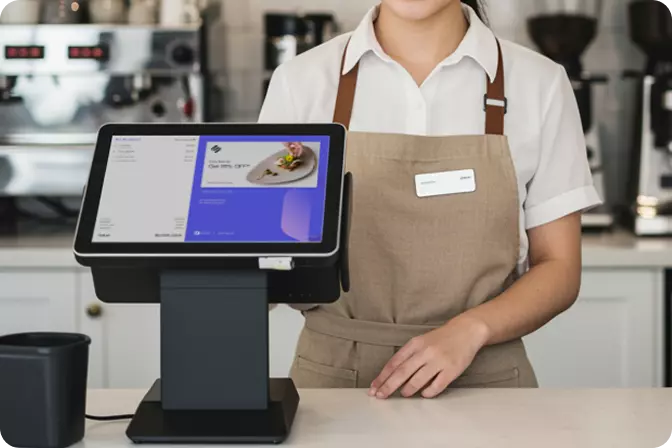
This is where a system such as OMNI, the POS and self ordering kiosk product from the Stamps ecosystem, becomes relevant. OMNI is built so that QR table order, the cashier, and the kitchen all run within a single connected system, meaning an order placed at the table flows straight through to the kitchen printer and the sales report without any need for re entry. For restaurants with multiple branches, this integration also allows data from every outlet to be monitored from a single dashboard, removing the need to compile separate reports by hand at the end of each month.
Before rolling it out, there are three things worth confirming in advance. First, make sure the QR table order system you choose can connect directly to the POS system you already use or plan to use, rather than operating as a separate system that ends up creating double the work. Second, check whether the system offers a dashboard for monitoring multiple branches at once, particularly important for restaurants with more than one outlet. Third, run a trial at a single outlet for a few weeks before rolling it out chain wide, giving staff time to adjust and allowing the owner to see the real impact on service speed firsthand.
Once these three points have been confirmed, the transition to QR table order is usually far smoother than most restaurant owners expect. OMNI offers a solution that covers all three at once, from QR table order and cloud POS to multi branch integration, all within a single system. If you are currently weighing up a new system for your restaurant or cafe, consider scheduling an OMNI demo to see firsthand how the flow from a guest's table to the sales report can run without ever having to switch between systems.

 EN
EN
 ID
ID