
Restaurants with effective cost control typically keep the gap between expected and actual ingredient costs below 2% of total sales. When this variance reaches 5%, the issue often stems from inventory records that are not connected to daily transactions.
In the kitchen, around 10–15% of raw ingredients can be lost through spoilage, expiration, incorrect preparation, or simply going unused. For this reason, conducting stock takes only once a week may already be too late. By the time the losses are identified, ingredients may have already run out or been discarded, while the next purchasing decision has already been made.
The scale of inventory-related issues in the F&B industry is far greater than what may be visible within a single outlet. A study by Indonesia's National Development Planning Agency (Bappenas) found that millions of tonnes of food are wasted in Indonesia each year, with hotels, restaurants, and catering businesses among the contributors.
At the outlet level, inventory that remains unused for too long may indicate over-purchasing or inaccurate record-keeping. Many restaurants also rely on food cost to assess whether their ingredient expenses remain proportionate to their sales.
The challenge is that inventory losses in restaurants are not always immediately visible. Ingredients are used and replenished every day, while discrepancies may only become apparent during a stock take. As a result, owners may see sales continuing to increase without experiencing the same growth in profit, as ingredients may be wasted, overused, or poorly recorded.
In many outlets, sales data and ingredient usage are still recorded separately. Cashiers record what has been sold, while inventory levels may only be checked days or even weeks later. By the time a discrepancy is discovered, the problem may have been occurring for quite some time, making it difficult to identify its underlying cause.
The consequences may seem simple, but they can significantly disrupt daily operations. A menu may still appear available even though its ingredients have run out. Reordering decisions may be based on estimates rather than actual data, and owners may struggle to identify which ingredients are being used most frequently or wasted unnecessarily.
These issues may not always be immediately noticeable, but over time, they can gradually erode a business's profit margins.
When inventory is connected directly to transactions, ingredient quantities can be automatically reduced every time a menu item is sold. For example, when one portion of fried rice is purchased, the stock of rice, eggs, and other ingredients can be adjusted according to the quantities used in that recipe.
This allows businesses to monitor inventory levels more quickly without having to wait until the end of the month.
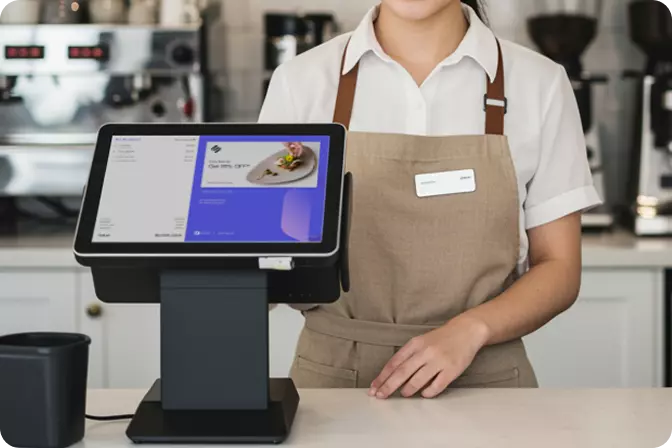
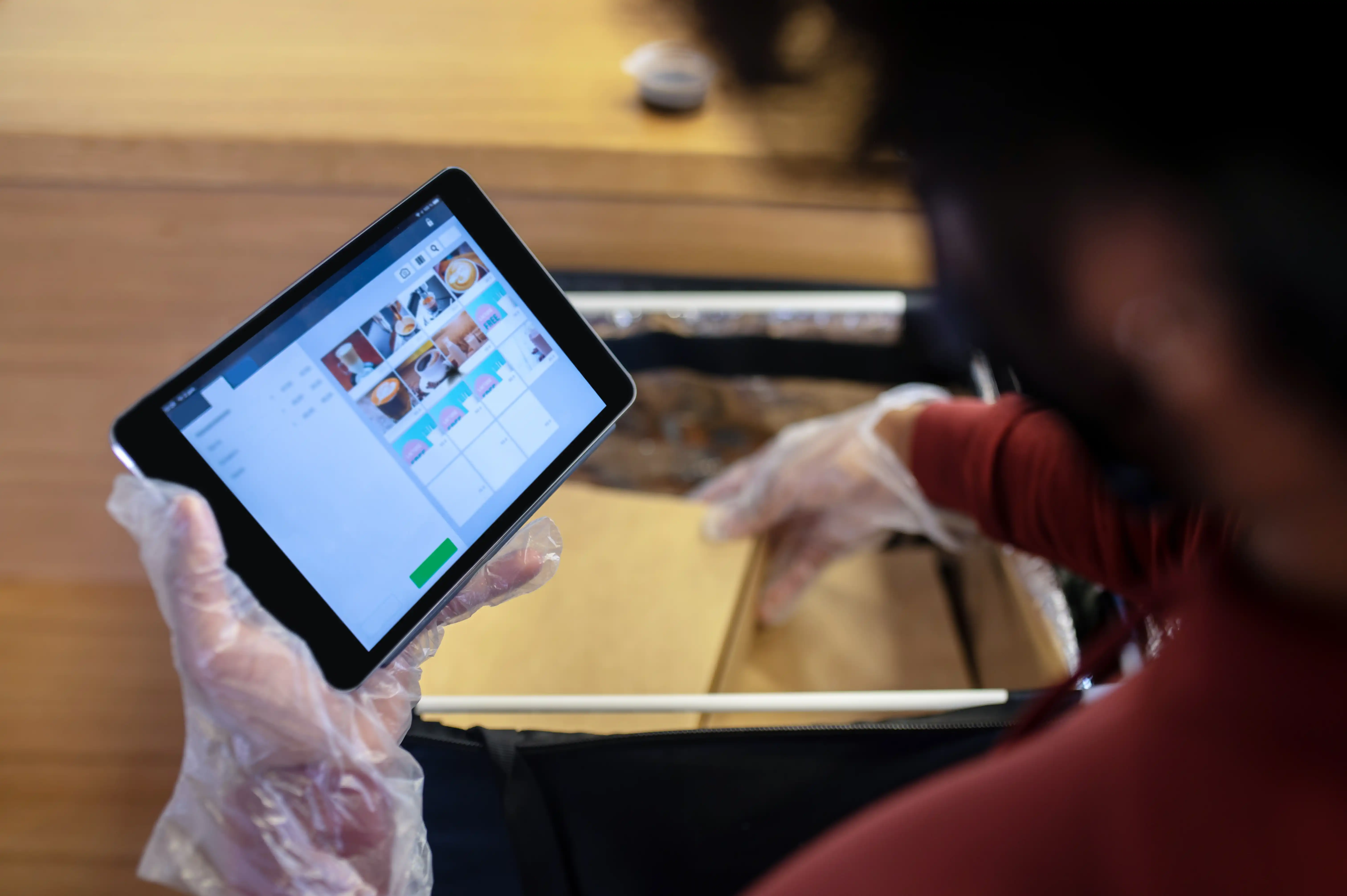
The data can also help owners understand the relationship between menu sales and ingredient consumption. OMNI POS can help automatically record inventory movements based on transactions while consolidating data from multiple outlets in one place.
As a result, business owners can more easily compare inventory conditions across different branches and make decisions based on the data available.
There is no need to transform your entire operation overnight. Start with one outlet and a few of your best-selling menu items, then regularly compare your inventory records with the actual physical stock. From there, you can begin to identify discrepancies that need to be addressed.
The OMNI team can help map out your outlet's inventory and operational requirements before implementation. You can also schedule an OMNI POS demo to see how inventory recording can be integrated with every transaction.

 EN
EN
 ID
ID